Best Time To Sell A Home In Edgewater
December 25, 2025
December 25, 2025
Thinking about selling your Edgewater home and wondering when to list? Timing can shape your final price, days on market, and how stressful the process feels. You want a plan that fits the way buyers actually shop in Chicago and the surrounding suburbs. In this guide, you’ll see the best listing windows for Edgewater, how seasonality works in the Chicago–Naperville–Arlington Heights metro and Will County, and a simple prep timeline you can use right away. Let’s dive in.
Across the U.S. and in Chicago, the market usually peaks in spring. In Edgewater and nearby suburbs, April through June often delivers the most buyer traffic and strong pricing, with May frequently standing out. You’ll see more showings, more qualified buyers, and more potential for multiple offers.
Winter can still work. Lower inventory in late fall and winter means less competition if you price realistically and your home shows well. You may see fewer showings, but buyers who are out during this time are often more motivated.
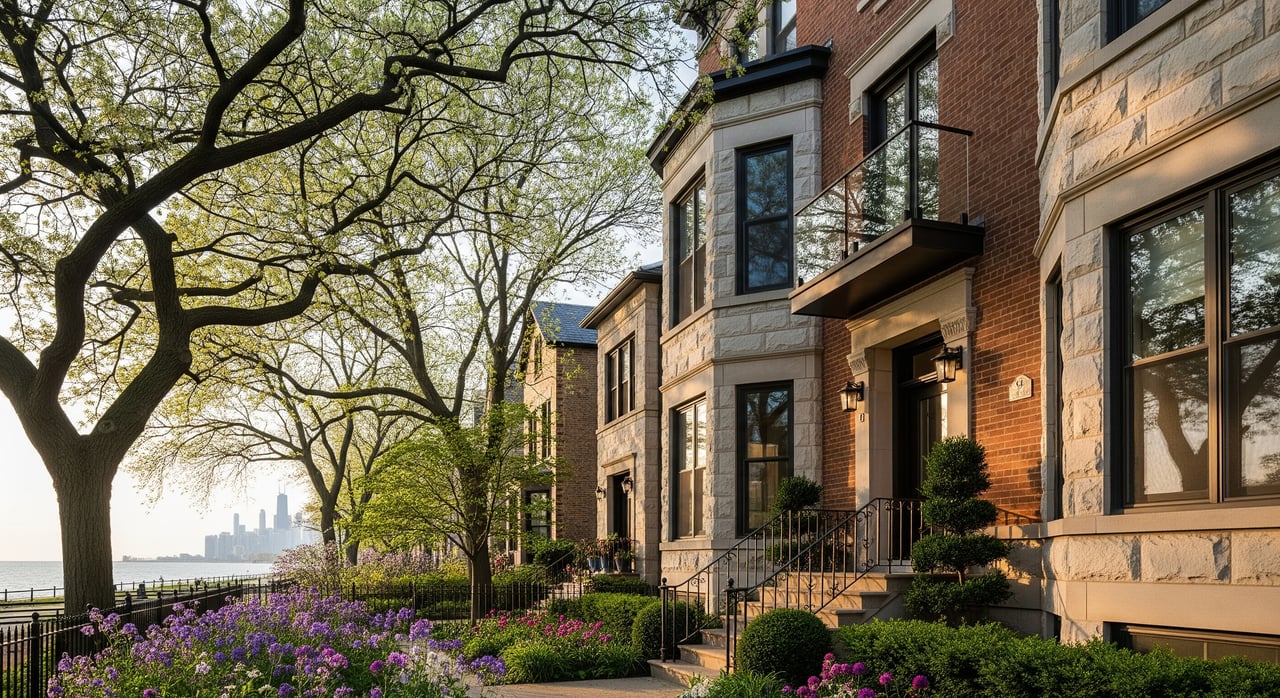
Buyers like to shop and move when the weather cooperates and before a new school year. Inventory and buyer traffic rise together in spring, which can lift prices. In Edgewater, curb appeal also improves as sidewalks clear and lakefront views shine.
More listings come to market in spring, so you must be market ready. Clean, staged, and well photographed homes in April through June tend to capture the best momentum.
Edgewater’s housing mix is heavy on condos and co-ops, plus some multi-unit buildings and a smaller pocket of single-family homes. Many buyers are first-time purchasers, downsizers, and investors. Your strategy should align with that buyer pool’s preferences.
Transit, walkability, and the lakefront matter. Proximity to the CTA Red Line, Broadway and Clark retail, and neighborhood amenities increases appeal. Nearby institutions, including Loyola University, can influence timing for certain renters or buyers transitioning from campus housing.
For condos and co-ops, buyers look closely at HOA financials, reserves, and assessments. Clear documentation, recent reserve studies, and transparent disclosures help reduce friction and can speed offers.
In inner-ring suburbs and Will County, single-family homes see strong demand tied to school calendars. Late spring and early summer attract families who want to move between school years. The seasonality is similar to the city, but the family-driven spike can be more pronounced.
Investor interest in Edgewater can be less seasonal and more tied to cash flow and cap rates. End-of-year tax planning and the end of academic terms may create small windows of added activity. If your unit is investor friendly, timing your listing to those cycles can help.
Mortgage rates are a key driver of affordability and buyer demand. If rates fall, demand can jump and support stronger pricing. Rates, however, can be unpredictable, so focus on your personal timeline and market readiness, then adjust pricing strategy to the current rate environment.
Decide if you value the highest sale price, a faster sale, or the least disruption. If maximizing price is your top priority and your prep work is done, aim for April through June. If certainty and speed matter more, a well-priced winter listing can be effective.
Consider who your property will attract. A one-bedroom condo near the Red Line appeals to commuters and first-time buyers who shop year-round. A larger condo or single-family home may see stronger activity with families in late spring and early summer.
Plan for 4 to 8 weeks to handle repairs, light updates, staging, photos, and condo document review. Vintage Edgewater buildings often need a little extra attention to show at their best.
Track months of inventory, median days on market, percent of list price received, and the number of new and pending listings. Low inventory can open a favorable window in any season, including winter.
Spring: A sharp, competitive list price can encourage multiple offers. Summer: Keep pricing aligned with nearby competition and recent comps. Fall and winter: Be realistic and focus on value. Motivated buyers respond to properties that are clean, well presented, and priced to the market.
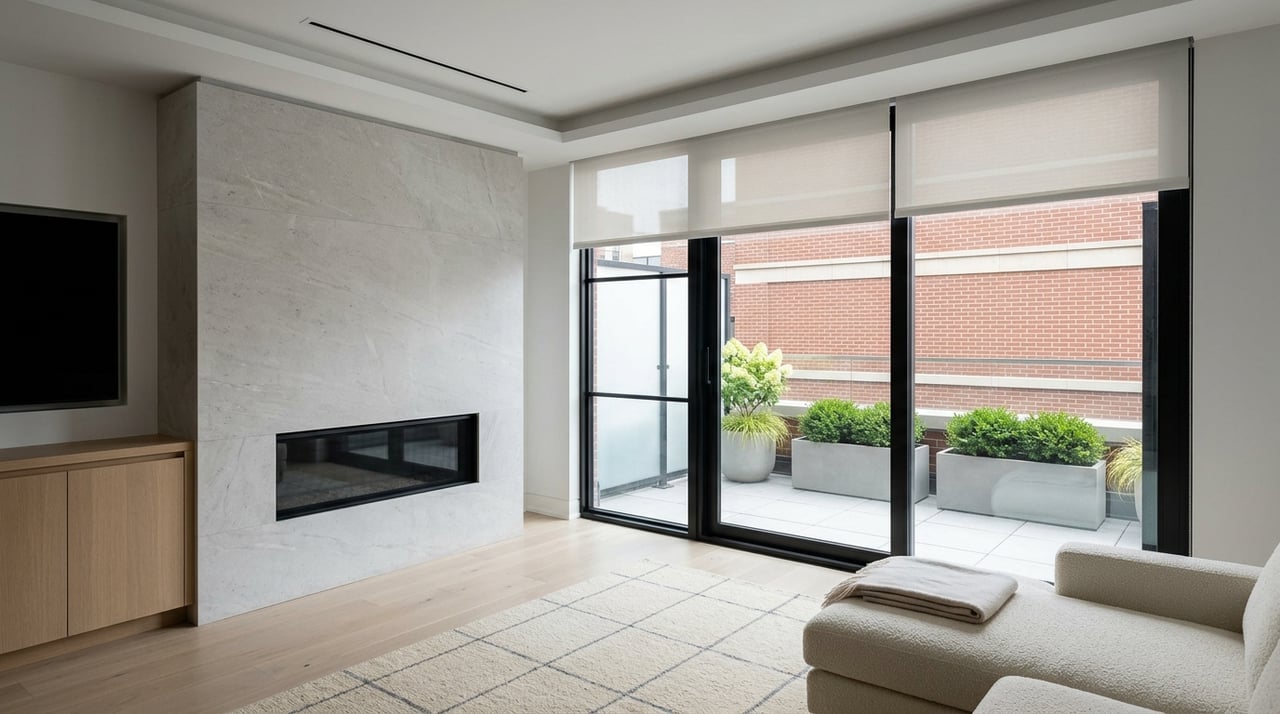
Spring and summer: Lean into natural light, fresh plants, and clean windows. Fall and winter: Create warmth with neutral decor and lighting. In any season, clear surfaces, neutral colors, and tidy closets help buyers picture themselves at home.
Showcase proximity to the lakefront, parks, and transit. For condos, highlight healthy HOAs, recent capital improvements, and well-maintained vintage details. If your building has amenities or strong walkability to dining and retail, make those features clear.
Your home can stand out when competition is low. If there are very few similar listings in your building or submarket, lean into that advantage even in colder months. Relocation buyers, university-related moves, and buyers with urgent timelines tend to be active year-round, especially when the property is priced well and move-in ready.
The best time to sell in Edgewater is often spring, but your ideal window depends on your goals, your property type, and local supply and demand. If you want clarity on timing, pricing, and prep steps tailored to your home, connect with a local advisor who tracks Edgewater and the broader Chicago metro in real time. Schedule a free consultation with John Lyons to build a plan that fits your timeline.
John's clear communication, strategic insight, and client-first mindset create a smoother, more confident experience—no matter your goals. Experience the difference that trusted guidance and proven results can make.