Choosing Between New And Vintage Homes In Logan Square
April 2, 2026
April 2, 2026
Trying to choose between a brand-new home and a vintage property in Logan Square? You are not alone. In a neighborhood known for historic buildings, classic Chicago flats, and newer infill development, the right fit often comes down to how you weigh character, upkeep, efficiency, and long-term comfort. This guide will help you compare both options clearly so you can make a confident decision in Logan Square. Let’s dive in.
If you are shopping in Logan Square, it helps to know what the housing stock actually looks like. According to the CMAP Local Housing Profile, 59.5% of housing units were built in 1939 or earlier, while only 16.9% were built in 2000 or later.
That matters because your search will likely be shaped by older properties. The same report shows a median year built of 1944, along with a large share of homes in 2-to-4-unit buildings and 5-to-49-unit buildings. In practical terms, that means condos, two-flats, greystones, and small multifamily buildings are a major part of the Logan Square market.
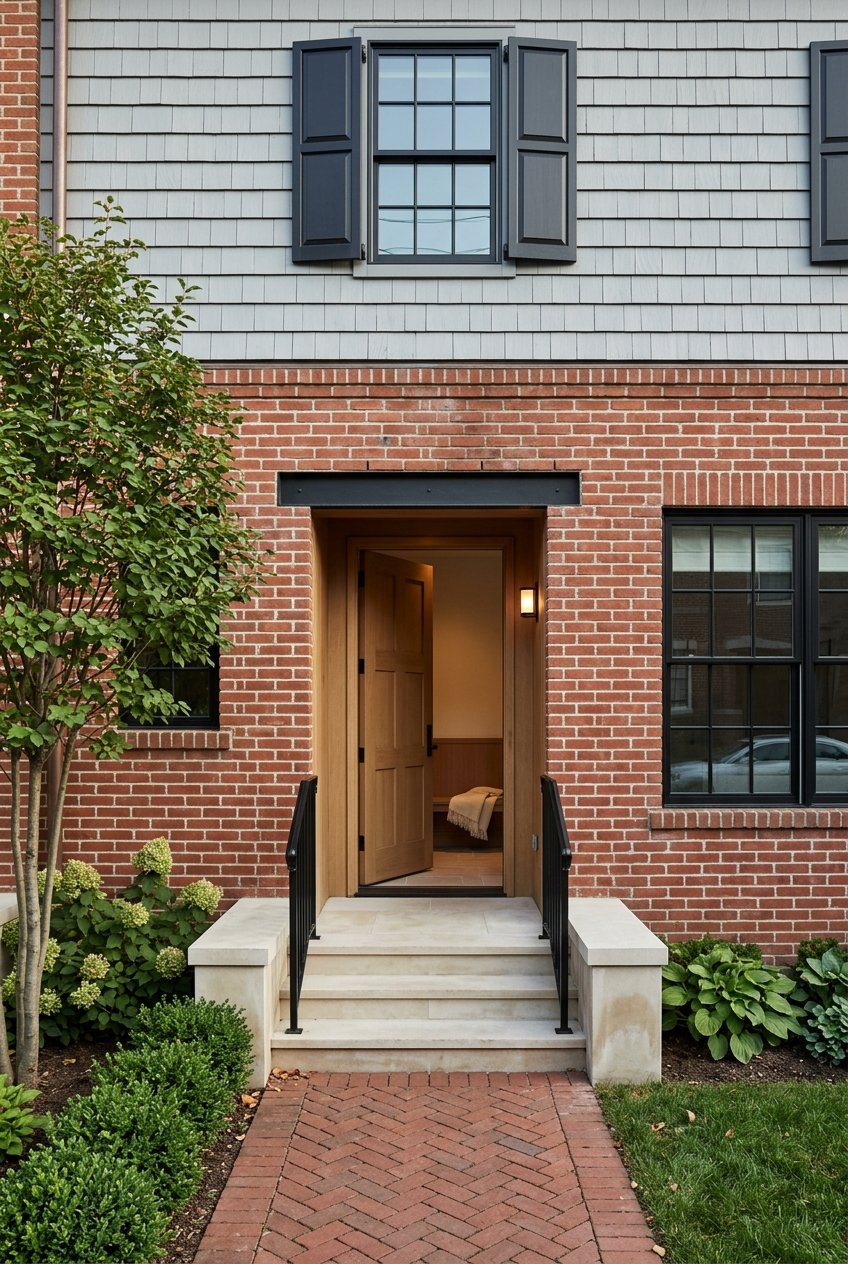
For many buyers, vintage homes are the reason Logan Square feels like Logan Square. The neighborhood’s historic identity is tied to the Logan Square Boulevards District, where buildings constructed roughly between 1880 and 1930 include styles like Queen Anne, Prairie, Classical Revival, and American Four-Square.
That architectural depth can be hard to replicate in a newer build. You may find masonry exteriors, bay windows, detailed trim, porches, and layouts that reflect Chicago’s early 20th-century building traditions.
A good example is the classic Chicago two-flat or three-flat. The Chicago Architecture Center describes these buildings as brick- or stone-fronted homes with bay windows and porches, built mainly between 1900 and 1918. It also notes that two-flats are no longer being built by developers, which adds to their distinctive appeal today.
If you are drawn to older homes, these are often the biggest advantages:
For buyers who care deeply about neighborhood feel, vintage housing can offer a stronger sense of place than newer construction.
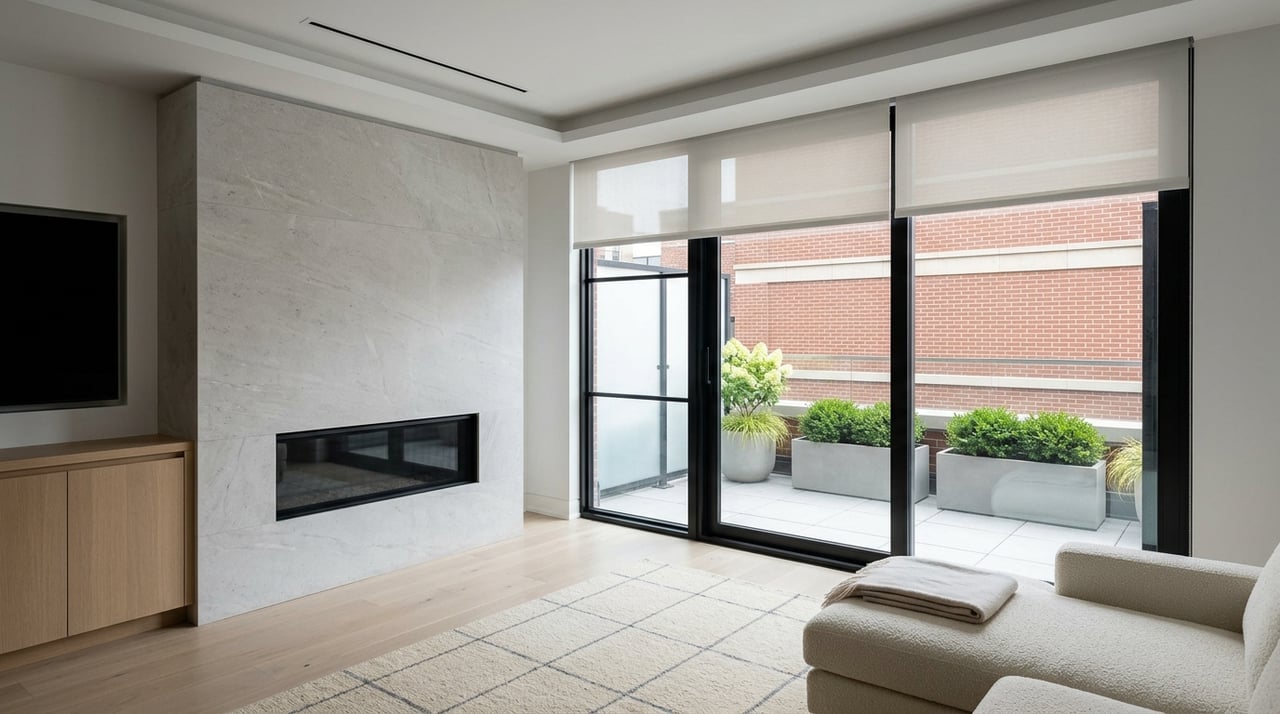
Newer homes and condos have a different kind of appeal. While they make up a smaller share of Logan Square’s overall housing stock, they are still part of the market through infill development and newer low-rise or mid-rise buildings.
If your goal is a more streamlined move-in experience, newer construction may feel easier. Compared with older homes, newer properties typically start with a more current baseline for systems, materials, and energy performance.
Illinois requires residential buildings to follow the Illinois Energy Conservation Code, which supports a more code-forward efficiency standard. On top of that, ENERGY STAR notes that certified new homes can use up to 30% less energy than typical new homes.
These are some of the most common reasons buyers lean toward new construction or newer condos:
If you want low-friction ownership, a newer home can be a strong fit.
In Logan Square, this choice is usually not just about age. It is about the kind of ownership experience you want.
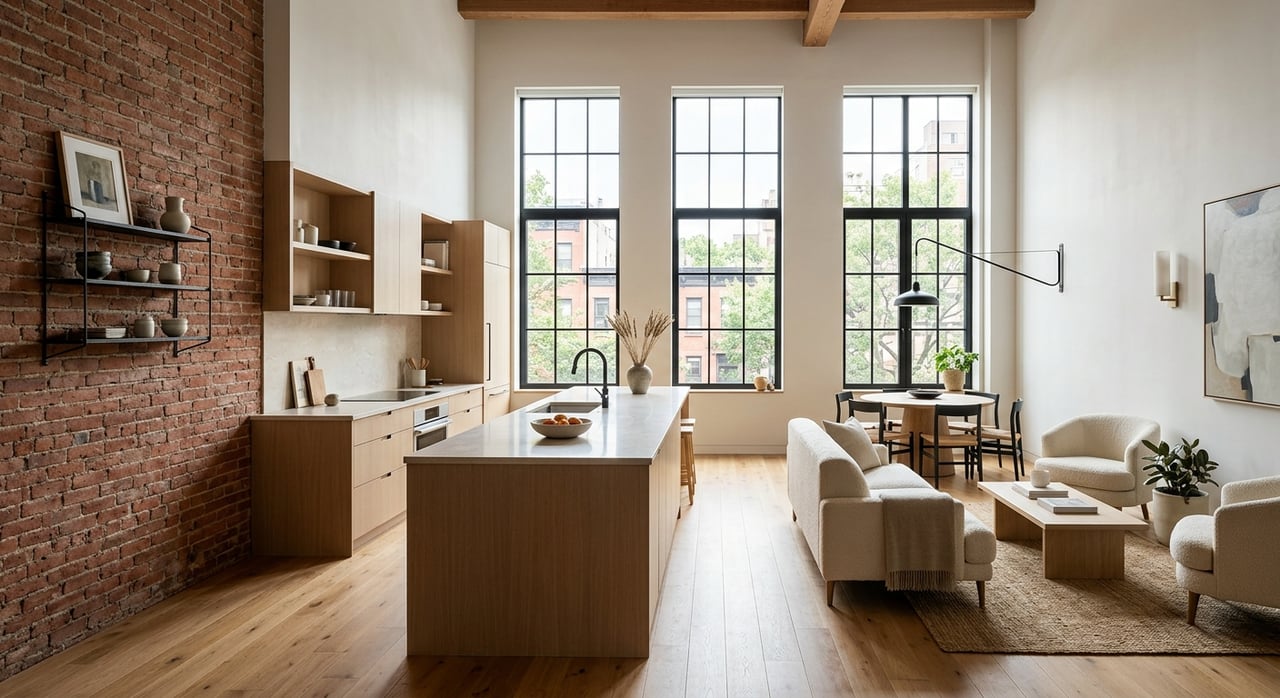
A vintage home may give you more architectural personality, a stronger connection to the neighborhood’s historic fabric, and a product that feels more distinctive. But it can also come with older building systems, less standardized layouts, and a greater need to evaluate future upgrades carefully.
A newer home may offer more convenience and fewer near-term unknowns, but it can come at a premium in a neighborhood where older housing still sets the baseline. That makes it important to compare what you are paying for turn-key ease versus what you may gain in charm and long-term appeal with a vintage property.
If you are leaning vintage, focus on more than looks. Charm matters, but operating costs and building condition matter too.
The U.S. Department of Energy explains that a professional home energy assessment can help identify air leakage, insulation gaps, duct issues, moisture concerns, and ventilation needs. For an older Logan Square property, that kind of evaluation can be especially useful.
When you tour or inspect a vintage home, pay close attention to:
That last point is important in parts of Logan Square with landmark protections. The Pillars of Progress / Porticos of Pride history overview notes that Chicago Landmark status can restrict demolition or major facade changes visible from the public right of way.
A newer property may reduce the number of immediate projects, but it still deserves careful comparison. In Logan Square, newer homes are the minority, so part of your decision is whether the convenience premium makes sense for your budget and goals.
Start by comparing the newer home against the neighborhood’s prevailing older stock. If you are paying more for a turn-key condo or recently built home, make sure the benefits line up with what matters most to you, whether that is efficiency, less maintenance, or a cleaner move-in timeline.
As you compare newer options, consider:
Those answers can make the decision much clearer.
Budget is part of this conversation, especially in Logan Square. According to CMAP, the neighborhood’s 2022 median residential sales price was $560,000. More recently, Redfin reported a February 2026 median sale price of $557,500, with homes spending a median of 68 days on market in what it described as a somewhat competitive market.
That pricing context matters whether you are choosing old or new. In a market with median prices in the mid-$500,000s, the real question is not only what you can buy, but what kind of trade-offs you are willing to make once you do.
If you are still deciding, this simple framework can help.
Neither option is automatically better. The best choice depends on what feels most comfortable for your budget, your time horizon, and your tolerance for projects.
In Logan Square, vintage housing is the rule and newer homes are the exception. That means you are rarely making a simple old-versus-new choice. More often, you are choosing between neighborhood character and historic depth on one hand, and simplicity and modern efficiency on the other.
If you want help comparing specific homes, weighing likely upkeep, or understanding how each option fits your goals, working with a local advisor can save you time and second-guessing. When you are ready to talk through your move, John Lyons can help you evaluate Logan Square options with a clear, process-driven approach.
John's clear communication, strategic insight, and client-first mindset create a smoother, more confident experience—no matter your goals. Experience the difference that trusted guidance and proven results can make.