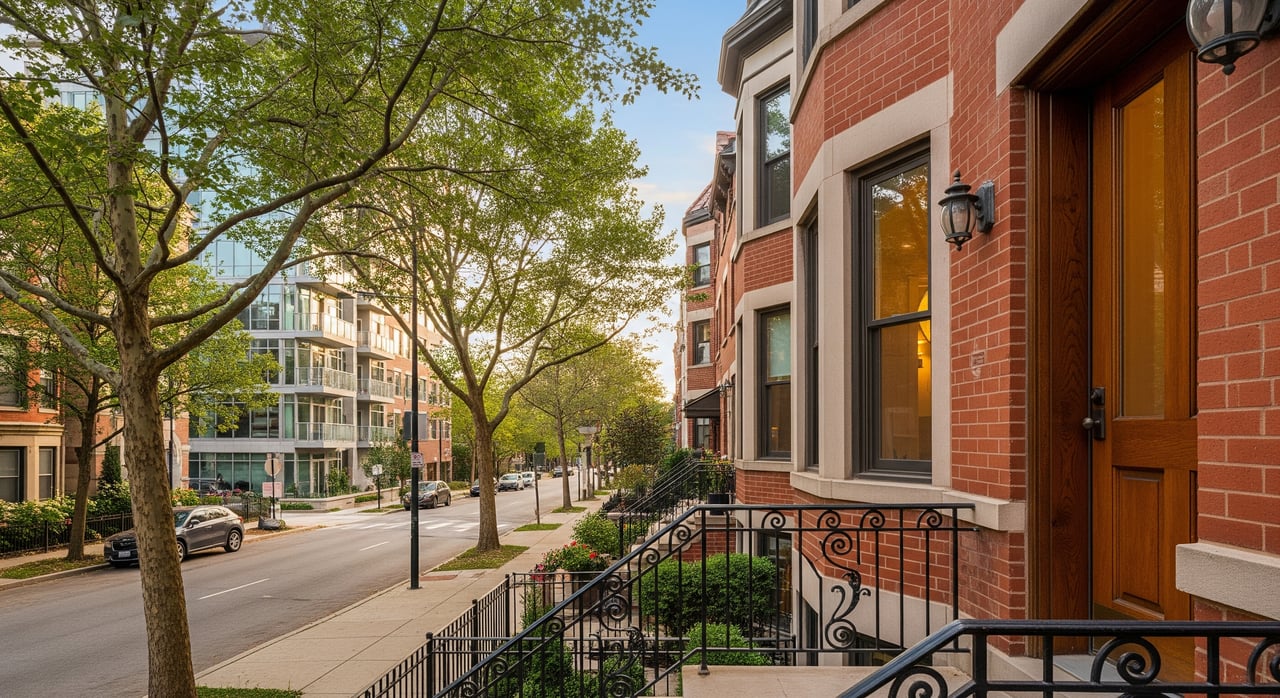
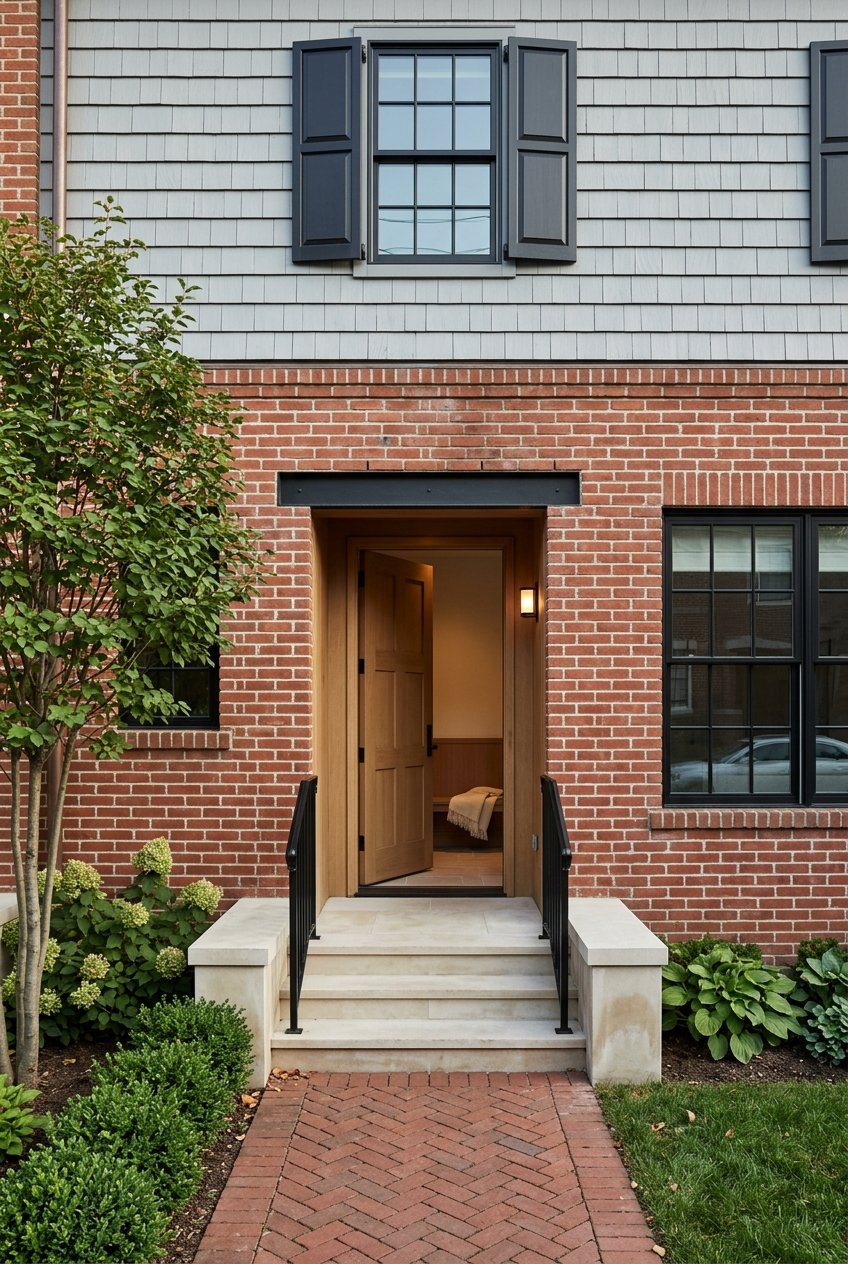
Trying to choose between a condo and a townhome in North Center? You have great options, but each path comes with different rules, costs, and day-to-day trade-offs. If you want clarity on ownership, maintenance, financing, and resale, you’re in the right place. In a few minutes, you’ll understand how these property types work in Chicago and how to pick the best fit for your lifestyle and budget. Let’s dive in.
Condo vs townhome basics
Condos in Chicago give you ownership of your unit’s interior plus a shared interest in the building’s common areas. In North Center, you’ll see vintage walk-ups, mid-rises, and condo conversions with floor plans from studios to larger multi-bedroom flats. An association manages the building and sets rules.
Townhomes come in two flavors locally. Fee-simple townhomes give you title to the home and the land underneath. Other townhomes are legally part of a condominium association, even if they look like rowhomes. In North Center, townhomes are often multi-level, with private entrances, garage parking, and outdoor space like small yards or roof decks.
Ownership and governance
Condominiums follow the Illinois Condominium Property Act alongside the building’s declaration, bylaws, and rules. The association typically oversees the exterior, roof, common areas, and building insurance. It also sets policies for things like pets, rentals, and renovations.
Townhome governance depends on how the property is titled. Fee-simple townhomes generally give you more control over your exterior and finishes, while a homeowners association may maintain shared driveways, private roads, or landscaping. Townhomes that are part of a condo association blend both models. The association may handle some exterior items while you focus on the interior.
What associations cover
- Condos: exterior and common area maintenance, building insurance, landscaping, snow removal, and often shared utilities. You carry an HO‑6 policy for interior finishes and personal property.
- Fee-simple townhomes: you typically insure the entire structure and maintain the exterior. An HOA, if present, usually manages shared elements only.
- Townhome-as-condo: coverage can vary. The association may handle the exterior, while you maintain the interior.
Always read the declaration, bylaws, and rules to confirm who pays for what. This avoids surprises on roof work, masonry, or deck repairs.
Monthly costs and long-term budget
Your true cost is more than the purchase price. Build a side-by-side budget for both options:
- Mortgage and interest: varies by price and down payment.
- Property taxes: same local tax system, but assessed value depends on the property and recent sales.
- HOA/association dues: compare what is included, like heat, water, insurance, and reserves.
- Insurance: condo owners carry HO‑6; fee-simple townhome owners often insure the entire structure.
- Utilities and maintenance: condos often bundle some utilities; townhomes may have more individual bills and upkeep.
High HOA dues are not always bad if they include major building costs and healthy reserve contributions. Low dues can be a red flag if they hide future special assessments.
Maintenance and lifestyle trade-offs
Condos reduce day-to-day maintenance and may include amenities like bike rooms or shared outdoor spaces. You trade some autonomy for convenience and structure.
Townhomes offer a house-like feel with multiple levels, private entries, and often garage parking. You gain flexibility for upgrades and outdoor space, but you take on more maintenance, especially for fee-simple homes.
Parking and storage matter in North Center. Compare private garages, assigned spots, or street parking, plus storage units or basement access.
Financing and underwriting
Lenders often treat fee-simple townhomes like single-family homes. Project-level reviews are limited, and underwriting is straightforward.
Condos can require extra steps. Lenders may review the building’s finances, insurance, owner-occupancy mix, litigation, and delinquency rates. If you plan to use FHA or VA financing, check the project’s approval status early. Insurance coverage details and deductibles can also affect underwriting.
Resale and demand in North Center
Condos appeal to buyers who want lower maintenance and convenient locations. They often attract first-time buyers and downsizers.
Townhomes, especially fee-simple with garage parking and private outdoor space, draw buyers who want more room and a single-family feel without leaving the neighborhood.
For both options, association health plays a big role in value. Strong reserves, reasonable dues, and a clean maintenance history support smoother resales. Frequent special assessments or pending litigation can limit demand and financing.
Due diligence before you write an offer
Request and review key documents so you know exactly what you are buying:
- Association packet: budget, reserve study, bylaws, declaration, rules, recent meeting minutes, insurance summary.
- Special assessments: what was charged in the past 5 to 10 years, and what is planned.
- Insurance: master policy summary for condos, and the owner’s insurance declarations page.
- Dues and collections: delinquency rate and collection policy.
- Title and boundaries: deed, legal description, and for townhomes, any shared maintenance easements.
- Condo details: unit boundaries in the declaration and any restrictions on rentals or renovations.
- Inspection: focus on interior systems, shared walls, and signs of deferred exterior maintenance.
- Professional guidance: speak with your lender about condo project requirements and consult a local real estate attorney on any unusual language or known disputes.
Questions to ask about a specific property
- What exactly do the monthly fees cover, and what is excluded?
- How large are the reserves, and when was the last reserve study?
- Any special assessments in the past 5 to 10 years, or upcoming projects?
- What is the owner-occupancy percentage, and are there rental caps?
- Is there pending or recent litigation involving the association or developer?
- What is the delinquency rate for association dues?
- For townhomes: who maintains the roof and exterior, and are there shared walls?
- Parking rights: deeded or assigned? Rules for guests? Storage included?
- For condos: is the project approved for FHA or VA if you need it?
When a condo might fit best
- You want lower routine maintenance.
- You value building amenities or a location with more condo inventory.
- You prefer predictable monthly costs that include shared services.
- You plan to live on one level and want simpler day-to-day living.
When a townhome might fit best
- You want more space, multiple levels, and a private entry.
- You prefer a garage and private outdoor space like a yard or roof deck.
- You want more control over your finishes and exterior choices.
- You are comfortable managing more maintenance or hiring it out.
Tips for North Center sellers
- Highlight what buyers value: private outdoor areas, garage parking, storage, and recent building or exterior updates.
- If condo dues are higher, show the value. Explain what they include, such as heat, water, or major structural upkeep, and reference healthy reserves.
- For fee-simple townhomes, emphasize land ownership and recent exterior improvements.
- Order your association resale packet early so buyers can move with confidence.
How to choose with confidence
Start by mapping your lifestyle needs: space, parking, outdoor areas, and how much maintenance you want to handle. Then compare total monthly costs and evaluate the association’s health, reserves, and rules. If financing with FHA or VA, check condo project approval early. Finally, have your inspector, lender, and attorney review the details so you can move forward with clarity.
If you want a local, step-by-step plan tailored to North Center, reach out to John Lyons. You’ll get clear guidance on neighborhoods, buildings, and townhome communities that fit your budget and goals.
FAQs
What is the main difference between a condo and a townhome in Chicago?
- A condo gives you ownership of the unit interior plus shared interest in common areas, while a townhome can be fee-simple (you own the home and land) or part of a condo association with mixed responsibilities.
How do monthly condo and townhome costs compare in North Center?
- Condos often have higher dues that include shared services and reserves; townhomes may have lower dues but higher individual insurance and maintenance costs.
What should I look for in a condo or HOA’s financials?
- Review the budget, reserve fund, recent reserve study, dues history, delinquency rate, special assessments, and any pending litigation.
Will financing be easier for a townhome than a condo?
- Often yes for fee-simple townhomes, since lenders treat them like single-family homes; condos may require extra project-level review by the lender.
Are there limits on renting out a unit in North Center buildings?
- Many associations set rental caps or rules that affect leasing and short-term rentals, so verify restrictions in the bylaws and rules before you buy.
Who handles exterior maintenance on a townhome?
- Fee-simple owners usually maintain the exterior unless HOA rules say otherwise; townhomes in condo associations may have exterior covered by the association.
What parking options should I expect with condos vs townhomes?
- Townhomes often include private garages, while condos can offer deeded or assigned spots; verify parking rights and guest policies in each building.