Your Guide to Edgewater Lakefront Living in Chicago
May 28, 2026
May 28, 2026
If you want lakefront access without giving up the rhythm of city life, Edgewater stands out. This North Side Chicago neighborhood gives you beaches, the Lakefront Trail, transit, dining, and everyday errands in one place, so your routine can feel both active and practical. Whether you are thinking about buying your first condo, relocating within Chicago, or simply narrowing your neighborhood search, understanding what daily life really looks like here matters. Let’s dive in.
Edgewater sits about seven miles north of the Loop, with Lake Michigan along its eastern edge and residential and commercial streets stretching west from the shoreline. That geography shapes the neighborhood in a very real way. You get the visual appeal of the lake, but Edgewater functions as a working Chicago neighborhood rather than a seasonal destination.
Daily life here tends to center on a few key zones. Business activity is concentrated along Broadway and around Red Line stops like Bryn Mawr, Thorndale, and Granville, which helps create a neighborhood pattern built around short trips and walkable routines. In other words, the lake is a major part of life here, but it is not the only thing that defines the area.
Choose Chicago also highlights Edgewater’s arts, food, and local institutions, including a storefront theater district with more than twenty companies. That gives the neighborhood a strong “step outside and do something” energy. For many buyers, that balance is the real draw.
In Edgewater, the lake is not just a nice view from a distance. It can become part of how you move, exercise, and unwind during the week. That is one of the clearest differences between Edgewater and other Chicago neighborhoods farther inland.
The Chicago Park District says the Lakefront Trail runs from Ardmore Avenue to 71st Street and was separated into distinct bike and pedestrian trails in 2018. That matters because it supports more than recreation alone. For many residents, it can fit into a morning run, a bike ride, a casual walk, or even part of a commuting routine.
Edgewater residents have access to several nearby beaches, each with a slightly different feel and set of amenities.
The Chicago Park District also notes that Chicago beaches are free and that lifeguards are on duty from 11 a.m. to 7 p.m. during beach season, which runs from the Friday before Memorial Day through Labor Day. Beach conditions are updated daily, so your experience depends on weather and seasonal operations. That is helpful to know if you are imagining the waterfront as part of your regular summer routine.
Lakefront living sounds great in July, but buyers should also think about January. Edgewater offers more than just warm-weather appeal, which helps make the neighborhood feel practical year-round.
Broadway Armory Park is a strong example. Located at Broadway and Thorndale, it is the Chicago Park District’s largest indoor recreational facility and includes gymnasiums, a fitness center, a gymnastics center, and community rooms. When the lakefront is windy or cold, residents still have a substantial indoor recreation option nearby.
Transit is one of the biggest reasons Edgewater works well for many buyers and renters. If you value flexibility in how you get around, this neighborhood gives you several realistic options. That can be especially appealing if you want to reduce how often you drive.
CTA’s Red Line provides 24-hour service and runs through the North Side corridor with stations at Granville, Thorndale, Bryn Mawr, Berwyn, Sheridan, and Loyola. In Edgewater, those stations help connect residents to downtown, nearby neighborhoods, and the rest of the CTA system. The concentration of businesses near these stops also makes transit part of everyday neighborhood life, not just an occasional convenience.
CTA has also invested in this corridor. The agency says the rebuilt, fully accessible Red Line stations at Lawrence, Argyle, Berwyn, and Bryn Mawr opened on July 20, 2025, with elevators, wider platforms, improved lighting and security, and real-time information boards. Those upgrades add convenience, but they also signal long-term investment in the neighborhood’s transit backbone.
Red Line access is important, but it is not the whole picture. Several CTA bus routes also serve the area, including the 22 Clark, 36 Broadway, 147 Outer DuSable Lake Shore Express, and 151 Sheridan. CTA route information states that all CTA buses are accessible.
Taken together, the trail, train, and bus network support a car-light lifestyle for many residents. Of course, your own routine will depend on where you work and how you like to get around. Still, Edgewater gives you transportation options that many buyers specifically look for in Chicago.
One of Edgewater’s most useful strengths is housing variety. If you are searching here, you are not limited to one look, one building type, or one price point style. That flexibility can help buyers and renters compare options that fit different budgets and priorities.
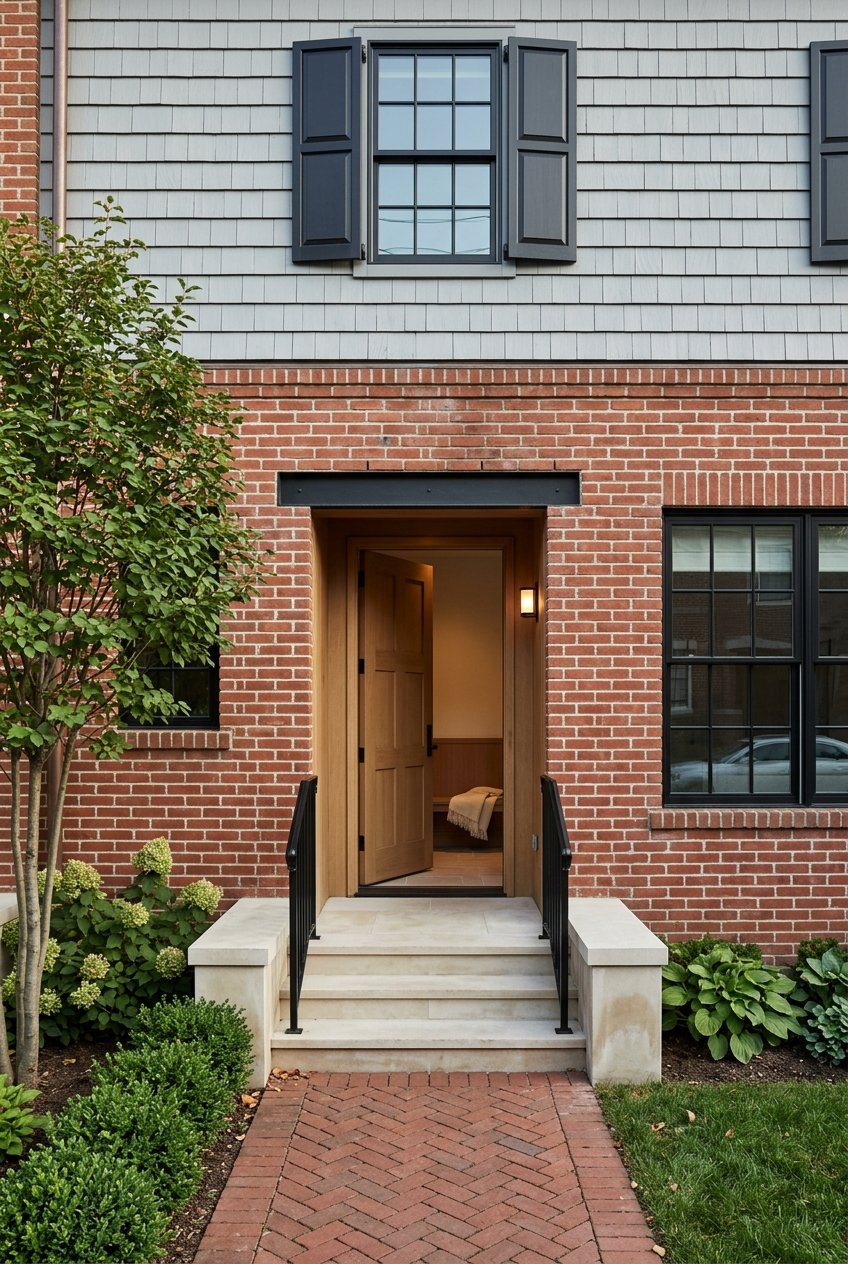
The Edgewater Historical Society describes courtyard apartments as a defining Chicago housing type and notes that Edgewater has many of them. The neighborhood also has a history of condominium development along Sheridan Road, including early high-rise condos. As a result, your search may include vintage courtyard buildings, older walk-ups, condo conversions, and lakefront high-rises.
There is also variation in neighborhood form. Historic records tied to the Bryn Mawr-Belle Shore Apartment Hotels reflect Edgewater’s early apartment scale, while Chicago’s landmarks survey identifies single-family residences on inland blocks. Practically speaking, that means you will find denser housing along the lakefront and key corridors, with quieter residential pockets farther west.
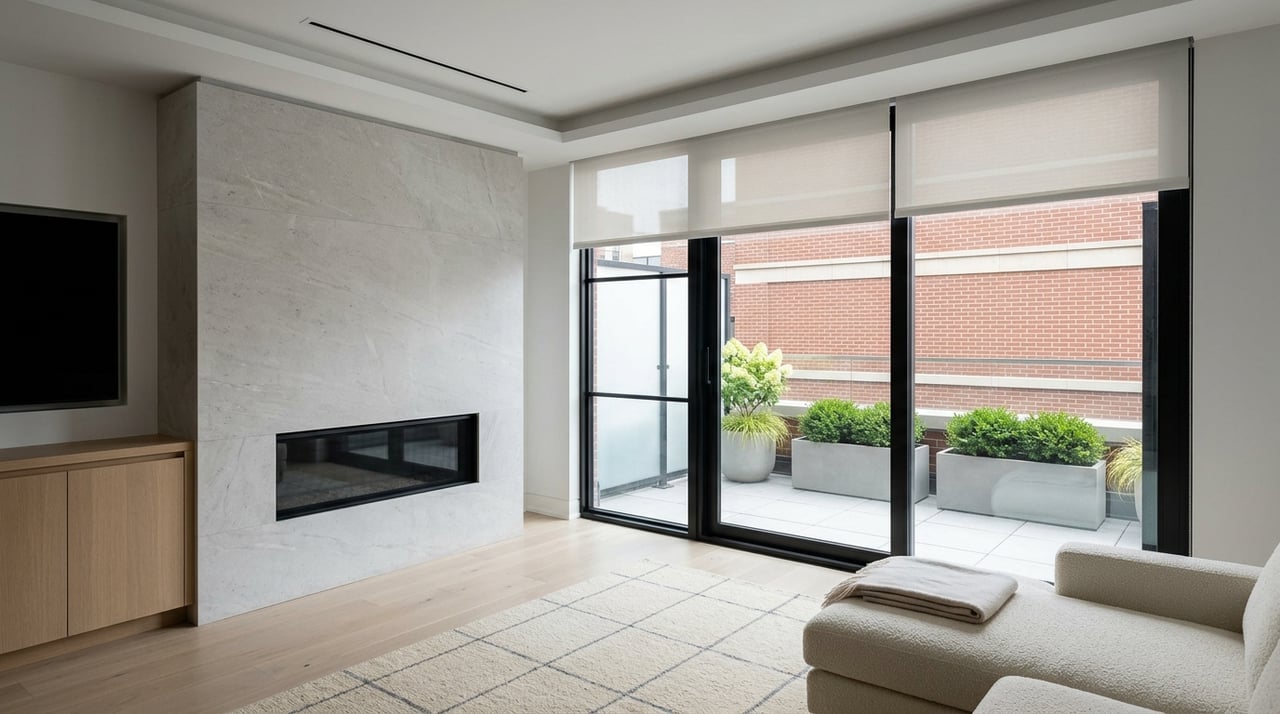
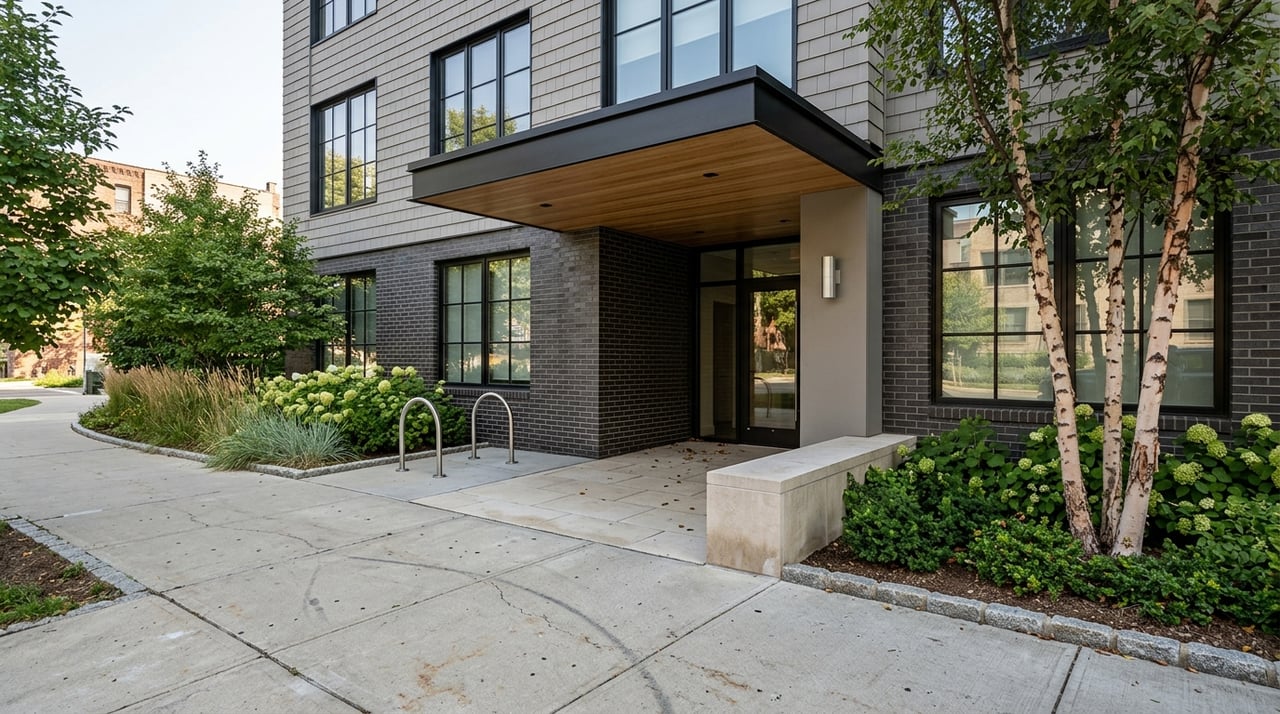
This variety matters because it gives you choices based on how you want to live. Some buyers want a high-rise building near the lake with expansive views and elevator access. Others prefer a vintage condo, a walk-up on a quieter street, or a home with a little more separation from the busiest corridors.
If you are comparing Edgewater with other North Side neighborhoods, this range can make the search more flexible. You can often prioritize a mix of transit access, lake proximity, building style, and neighborhood feel rather than chasing one rigid housing type.
A neighborhood can have great scenery and still fall short on daily convenience. Edgewater tends to work well because it blends its waterfront setting with practical commercial corridors. That makes the area feel useful on a Tuesday, not just appealing on a Saturday.
Choose Chicago points to Broadway, Bryn Mawr, Clark, and nearby Red Line corridors as key places for dining and errands. The neighborhood is known for culturally diverse restaurants, classic diners, coffee shops, antique and resale shopping, boutique grocery options, specialty farm stands, and ethnic restaurants and markets. That mix helps support a lifestyle where many small tasks and outings happen close to home.
Examples highlighted by Choose Chicago include Ethiopian Diamond, Sfera Sicilian Street Food, Edgewater Tacos, La Pharmacie, the Waterfront Cafe, Broadway Antique Market, and Jackalope Theatre. You do not need to plan your whole weekend around leaving the neighborhood. For many residents, that is a major quality-of-life advantage.
The phrase “lakefront living” can sometimes sound more dramatic than practical. In Edgewater, it usually means something more grounded. It means the lake is part of your routine, but so are CTA stations, coffee shops, neighborhood restaurants, local parks, and ordinary errands.
You might start the day on the Lakefront Trail, ride the Red Line to work, stop along Broadway on the way home, and head to the beach on a warm evening. In colder months, the shoreline may be more about scenery and fresh air than swimming, while indoor places like Broadway Armory Park take on a bigger role. That everyday flexibility is what makes Edgewater distinctive.
For buyers, that balance is worth paying attention to. A neighborhood that combines strong transit, varied housing, waterfront access, and practical amenities often supports more than one stage of life. It gives you room to build a routine that fits how you actually live.
If you are considering Edgewater, it helps to look beyond listing photos and ask how the neighborhood will support your day-to-day needs. That is where local insight makes a difference. If you want help comparing homes, building types, and micro-locations within Chicago neighborhoods like Edgewater, schedule a free consultation with John Lyons.
John's clear communication, strategic insight, and client-first mindset create a smoother, more confident experience—no matter your goals. Experience the difference that trusted guidance and proven results can make.