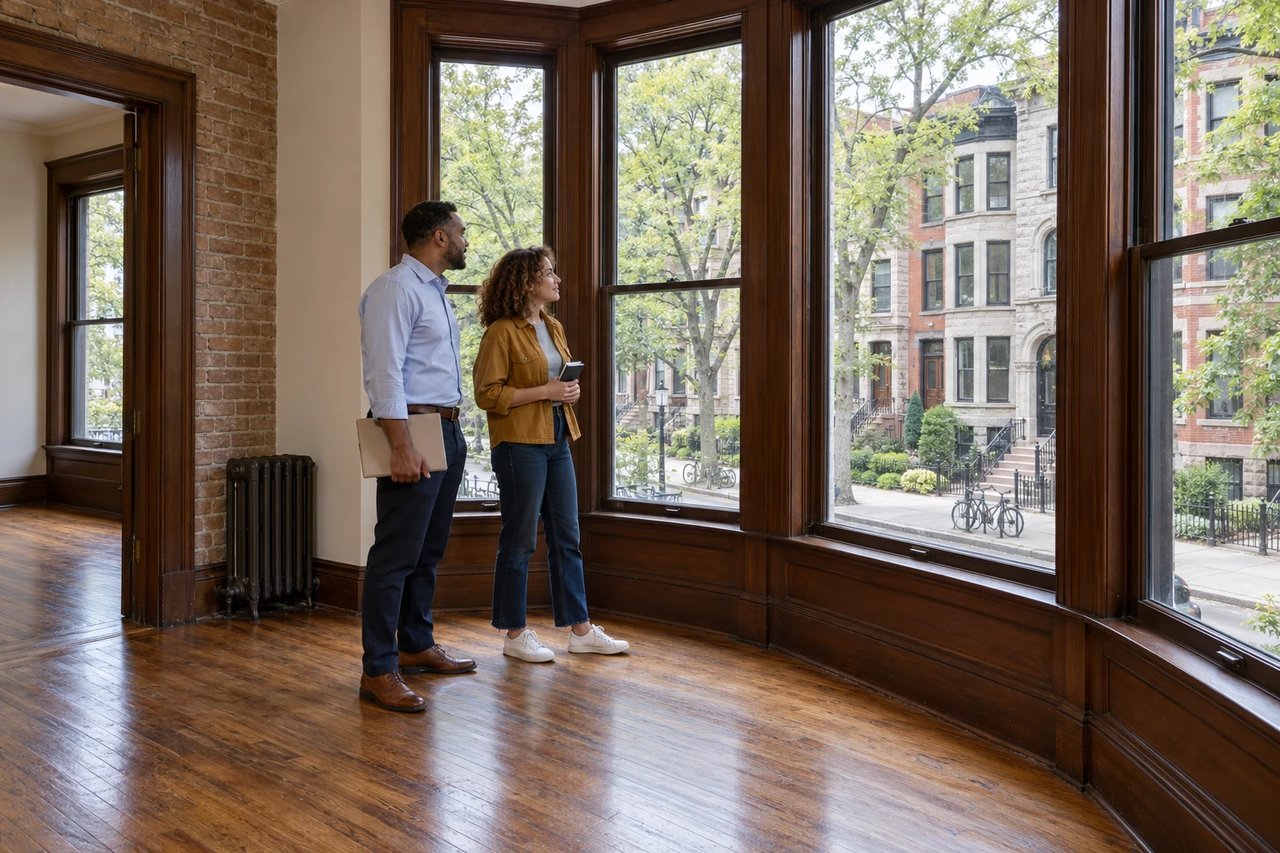
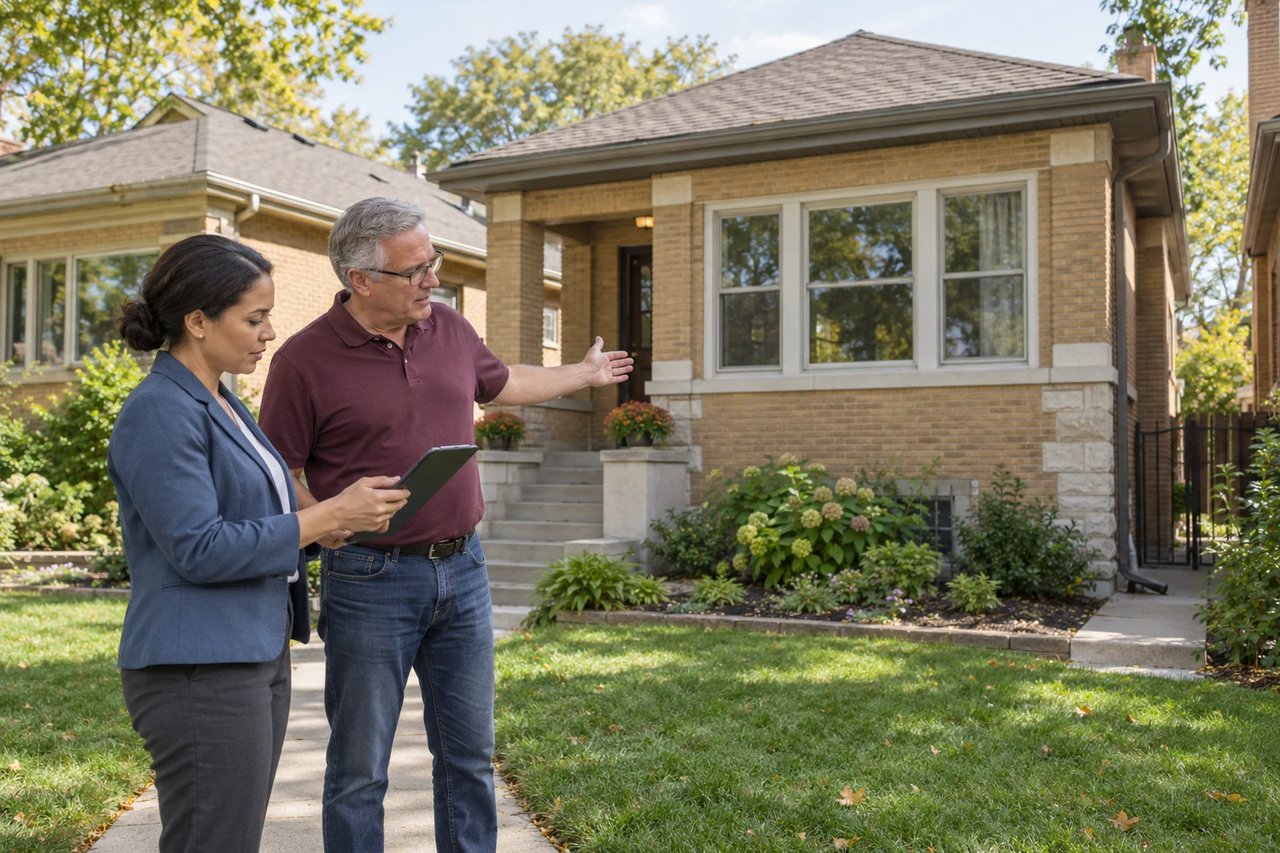
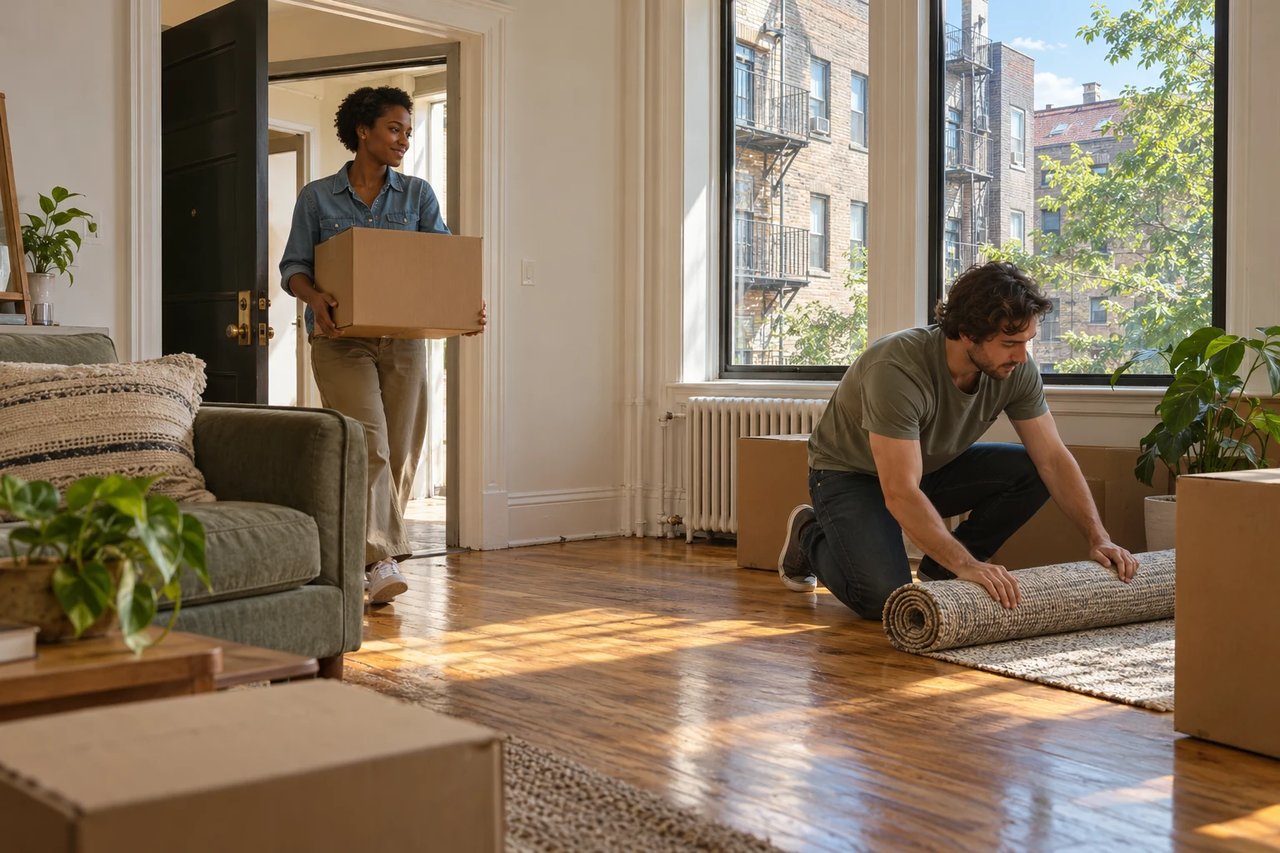
First time homebuyers in Chicago typically need 3% to 3.5% down with conventional or FHA loans, plus 2% to 5% of the price for closing costs, including Chicago's buyer transfer tax of $3.75 per $500. IHDA and City of Chicago programs can help qualified buyers cover upfront costs. Read the Chicago buyer's guide, search Chicago homes for sale, and talk with an experienced Realtor before you start touring.
Who Counts as a First Time Homebuyer in Chicago?
Most programs define a first time homebuyer as someone who has not owned a primary residence in the past three years. That means you may qualify even if you owned a home years ago. Some assistance programs also waive the first time requirement in targeted areas or for veterans.
How Much Do You Need for a Down Payment in Chicago?
You do not need 20% down to buy a home in Chicago. Common loan options include:
- Conventional loans (HomeReady, Home Possible, standard): As little as 3% down for qualified buyers
- FHA loans: 3.5% down with flexible credit guidelines
- VA loans: 0% down for eligible veterans and service members
- Jumbo loans: Often 10% to 20% down for higher priced homes in Lincoln Park, Old Town, or the Gold Coast
Down payment examples on a $400,000 Chicago home:
- 3% down: $12,000
- 3.5% down: $14,000
- 10% down: $40,000
- 20% down: $80,000
Putting less than 20% down on a conventional loan usually adds private mortgage insurance (PMI), which can be removed later as you build equity.
What Down Payment Assistance Is Available for Chicago Buyers?
Chicago buyers have several assistance options:
- Illinois Housing Development Authority (IHDA): IHDA Access programs offer forgivable, deferred, or repayable assistance for down payment and closing costs, paired with an IHDA first mortgage.
- City of Chicago programs: The city periodically offers purchase assistance and mortgage programs for eligible buyers based on income and location.
- Chicago Housing Authority (CHA) Down Payment Assistance: Available to eligible CHA residents and voucher holders.
- Employer and lender programs: Some Chicago employers, hospitals, universities, and banks offer homebuyer grants or closing cost credits.
Program amounts, income limits, and purchase price caps change often. Confirm current details with an IHDA approved lender before you shop.
How Much Are Closing Costs in Chicago?
Budget 2% to 5% of the purchase price for buyer closing costs. Chicago buyers pay a few costs that buyers in many other cities do not.
Common Chicago buyer closing costs:
- Chicago real estate transfer tax: The buyer pays $3.75 per $500 of the price, about 0.75%. On a $400,000 home, that is $3,000.
- Real estate attorney fees: Attorneys are customary in Chicago transactions.
- Lender fees: Origination, underwriting, and appraisal.
- Title insurance and settlement fees
- Prepaid items: Homeowners insurance, prepaid interest, and escrow deposits for property taxes
- Condo related costs: Move in fees, association document fees, and sometimes an upfront capital contribution
Good news: Cook County property taxes are paid in arrears, so sellers usually credit buyers at closing for taxes owed but not yet billed. This credit can offset part of your closing costs.
Step by Step: How to Buy Your First Home in Chicago
- Check your credit and budget. Review your credit report and calculate a comfortable monthly payment, including taxes, insurance, and HOA fees.
- Get preapproved. A preapproval letter shows sellers you are serious and defines your price range.
- Choose an experienced buyer's agent. A local Realtor gives you access to new, coming soon, and off market listings.
- Pick your neighborhoods. Compare price, commute, and lifestyle in our best neighborhoods to buy a home in Chicago guide.
- Tour homes and compare value. Look beyond finishes to building health, layout, and location.
- Make a competitive offer. Your agent uses recent comparable sales to recommend price and terms.
- Complete attorney review. Your attorney can negotiate contract changes, usually within five business days.
- Schedule the home inspection. Inspect the property and, for condos, review association finances.
- Finalize financing and appraisal. Your lender confirms the home's value and finalizes your loan.
- Do the final walkthrough and close. Sign documents, pay closing funds, and get your keys.
Should First Time Buyers Buy a Condo or a House in Chicago?
Condos are often the most affordable entry point in Chicago, especially in Lake View, Edgewater, Uptown, and River North. Single family homes offer more space and land value but cost more upfront.
Before buying a condo, always review:
- Monthly HOA assessments and what they cover
- Reserve fund balance
- Pending or past special assessments
- Rental caps and pet rules
- Owner occupancy ratio, which can affect financing
Compare both options in our guide to condo vs. single family home in Chicago.
Best Chicago Neighborhoods for First Time Buyers
- Lake View: Condos near the lake and three L lines
- Edgewater: Affordable lakefront condos near Andersonville
- Uptown: Vintage condos and value near Montrose Beach
- Ravenswood: Quiet streets and Metra access
- Logan Square: Two flats and condos with strong appreciation potential
How Do Mortgage Rates Affect First Time Buyers in 2026?
Freddie Mac reported the average 30 year fixed rate at 7.28% on October 1, 2026. Higher rates raise monthly payments, so first time buyers should:
- Compare at least three lenders
- Ask about rate buydowns and seller paid credits
- Consider FHA or IHDA programs with competitive rates
- Plan to refinance if rates drop later
Read the latest Chicago real estate market trends for 2026 for more context.
Common First Time Homebuyer Mistakes in Chicago
- Skipping preapproval and losing homes to prepared buyers
- Ignoring property taxes, which vary widely across Cook County
- Underestimating closing costs, especially the Chicago transfer tax
- Not reviewing condo association finances before attorney review ends
- Waiving the inspection to compete
- Making big purchases or opening new credit before closing
- Draining savings with no cushion for repairs
- Shopping only online and missing coming soon listings
- Forgetting the homeowner exemption, which can reduce future tax bills
Do You Need a Real Estate Agent to Buy a Home in Chicago?
You can buy without representation, but an experienced Chicago home buying agent gives you access to off market and coming soon listings, skilled negotiation, and guidance through inspections, appraisals, and closing. For most buyers, agent compensation is handled through the transaction, so there is typically no direct out of pocket fee. Terms are discussed upfront.
John Lyons has helped many first time buyers in Chicago, along with luxury buyers, move up sellers, and investors, across 453 transactions and more than $140 million in career sales. Read client testimonials or learn more about John.
Frequently Asked Questions for First Time Homebuyers in Chicago
How much do I need to buy my first home in Chicago?
Plan for 3% to 3.5% down plus 2% to 5% for closing costs. On a $400,000 home, that is roughly $20,000 to $34,000 before assistance.
What credit score do I need to buy a house in Chicago?
FHA loans may allow scores around 580 with 3.5% down. Conventional loans usually require 620 or higher. Higher scores get better rates.
Who pays the Chicago transfer tax?
Buyers pay the Chicago transfer tax of $3.75 per $500. Sellers pay the state, county, and the city's CTA portion.
Are there first time homebuyer grants in Chicago?
Yes. IHDA, City of Chicago, CHA, and some employer programs offer down payment and closing cost assistance for qualified buyers.
How long does it take to buy a house in Chicago?
Most purchases close 30 to 45 days after an accepted offer. The home search itself can take a few weeks to several months.
Is it better to rent or buy in Chicago in 2026?
Buying makes sense if you plan to stay at least five years and can afford the payment. Chicago home prices have risen steadily, building equity for owners.
Do I need an attorney to buy a home in Chicago?
Yes, attorneys are customary for Chicago buyers. They review the contract, negotiate changes, and handle closing documents.
Ready to buy your first home? Start your Chicago home search or schedule a free buyer consultation with a trusted Chicago Realtor.