Choosing Between Historic and Modern Homes in Uptown
June 4, 2026
June 4, 2026
Buying in Uptown can feel like choosing between two great versions of Chicago. Do you want the brick, bay windows, and classic courtyard feel that gives the neighborhood its identity, or do you want the open layouts, newer finishes, and amenity spaces that make daily life a little easier? If you are weighing historic vs. modern homes in Uptown Chicago, understanding how the neighborhood’s housing stock, design features, and ownership tradeoffs actually play out can help you make a smarter move. Let’s dive in.
Uptown is still, at its core, a neighborhood shaped by older housing. According to CMAP’s 2025 housing profile, 44.7% of Uptown housing units were built in 1939 or earlier, while just 10.7% were built in 2000 or later. The median year built is 1947, which tells you a lot about the character of the local market.
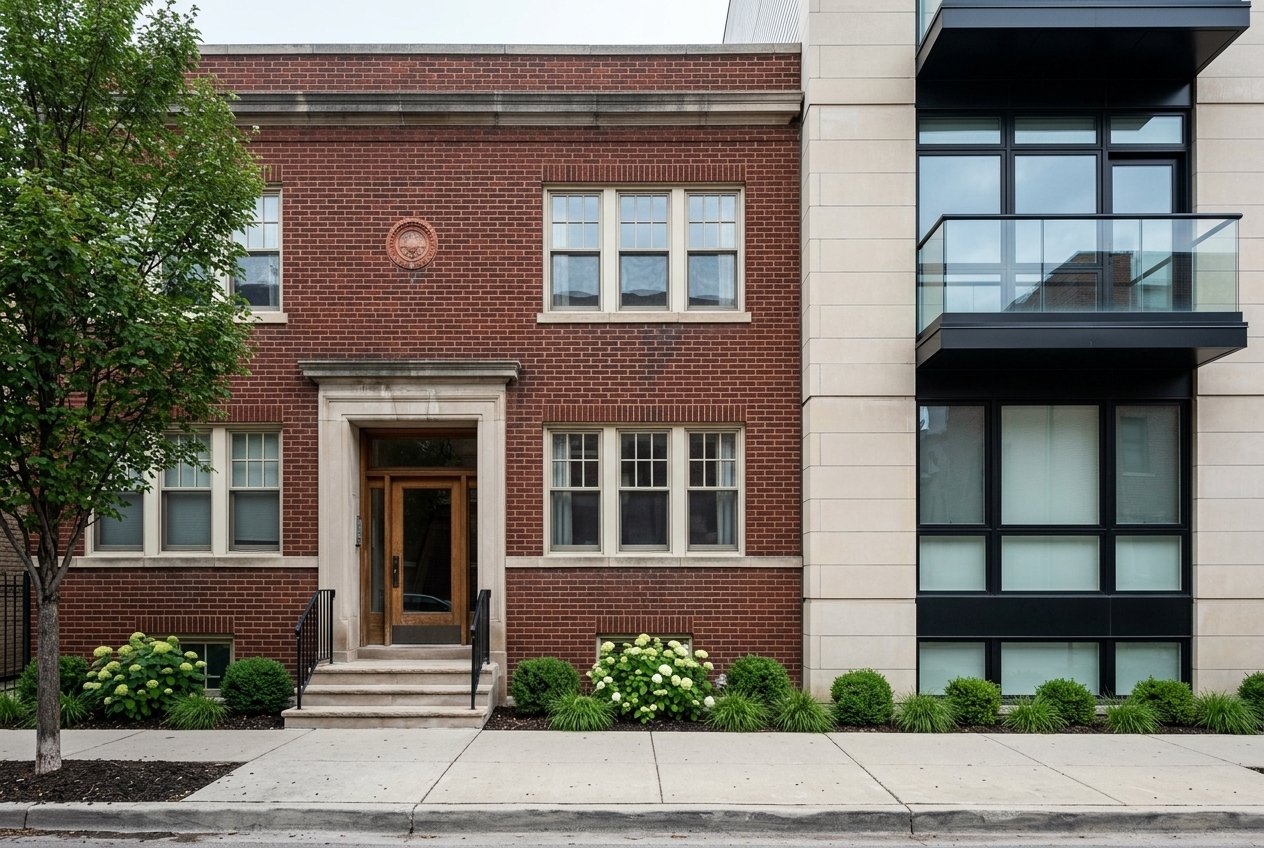
That older housing base is also paired with a strong multifamily profile. CMAP reports that 46.5% of units are in buildings with 5 to 49 units, and 38.8% are in buildings with 50 or more units. In practical terms, that means your search in Uptown will often come down to vintage flats, courtyard buildings, and older masonry condos on one side, or newer condo and mid-rise options on the other.
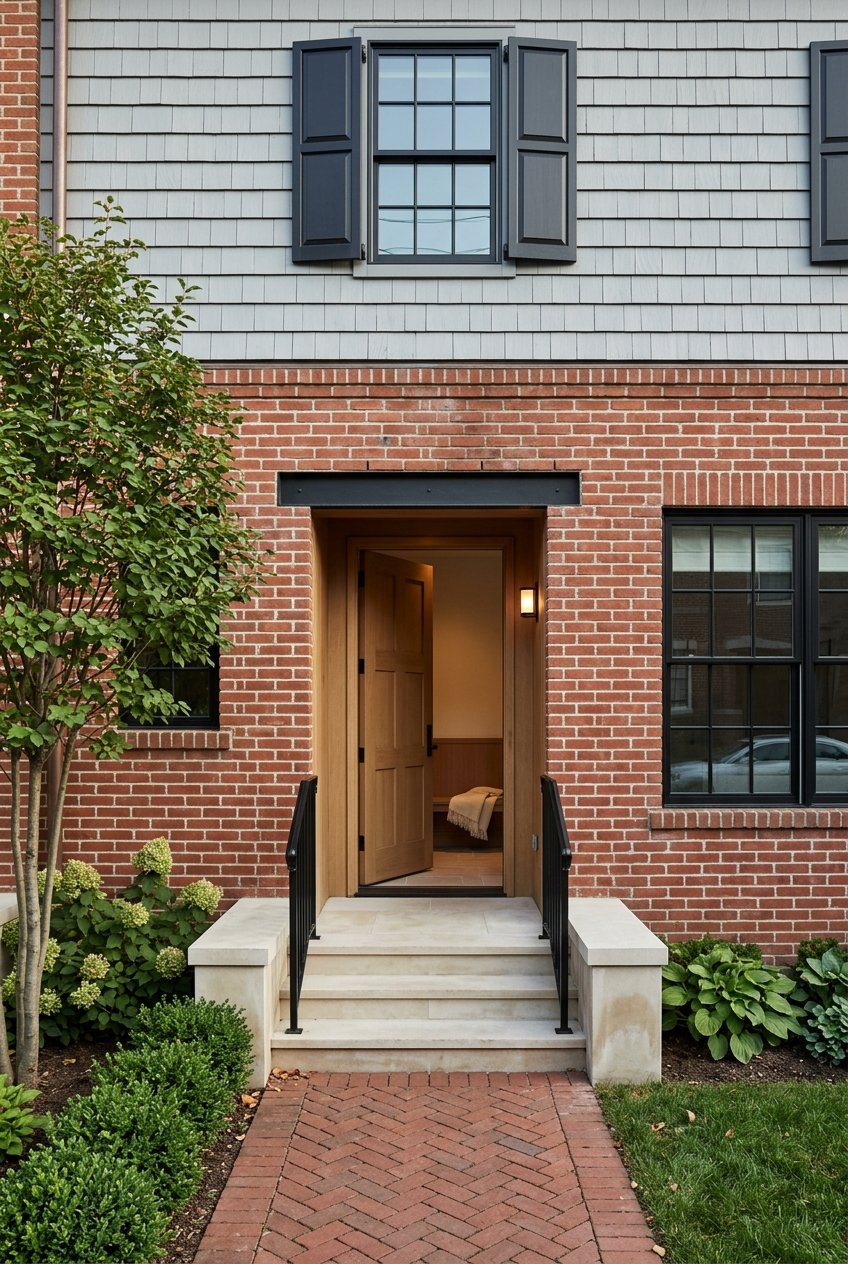
Uptown’s historic identity is closely tied to early 20th-century development. CTA’s Uptown Square preservation plan describes a streetscape of brick, limestone, and terra cotta buildings, many built right up to the sidewalk, with residential forms like six-flats and courtyard apartment buildings woven throughout the area.
That architecture still shapes how the neighborhood feels today. When people picture classic Uptown, they often picture masonry buildings, vintage theater corridors, and apartment homes with details you do not usually find in newer construction. For many buyers, that sense of place is a major part of the appeal.
Older homes and condos in Uptown often come with design elements that reflect a different era of city living. The Chicago Architecture Center notes features like:
These homes were often designed around separate rooms rather than one large shared living area. If you like architectural detail and a traditional Chicago apartment feel, that can be a real advantage.
The biggest draw is usually character. Courtyard buildings, in particular, are one of Chicago’s signature housing types. The Chicago Architecture Center describes them as three- to four-story brick buildings, typically built from the 1890s through the Great Depression, arranged around a central semi-public garden to bring in more light, air, privacy, and a touch of nature.
In Uptown, that can translate into a home that feels rooted in the neighborhood’s history. You may get original detailing, a more defined layout, and a building style that feels distinctly Chicago.
Charm is only one side of the equation. Older homes can also come with more specialized maintenance and, in some cases, stricter renovation rules.
If a building is individually landmarked or located in a landmark district, the City of Chicago says exterior elevations visible from the public right-of-way are usually the protected features. Routine maintenance like painting and minor repairs generally does not require a building permit, but work that affects significant historic or architectural features may need review by the Commission on Chicago Landmarks.
That matters if you are thinking about updates. The city’s rehabilitation standards emphasize repair over replacement, and if historic windows need to be replaced, the new windows should match the originals in design, material, glass size, profiles, trim, and muntin pattern. In other words, buying historic can mean more review and less flexibility for certain exterior changes.
This is a common question, and the City of Chicago offers a clear answer. Landmark designation does not directly change the Assessor’s valuation or the property tax rate. The city also notes that some buyers view landmark status as an asset, and the impact on value depends on the individual property and location.
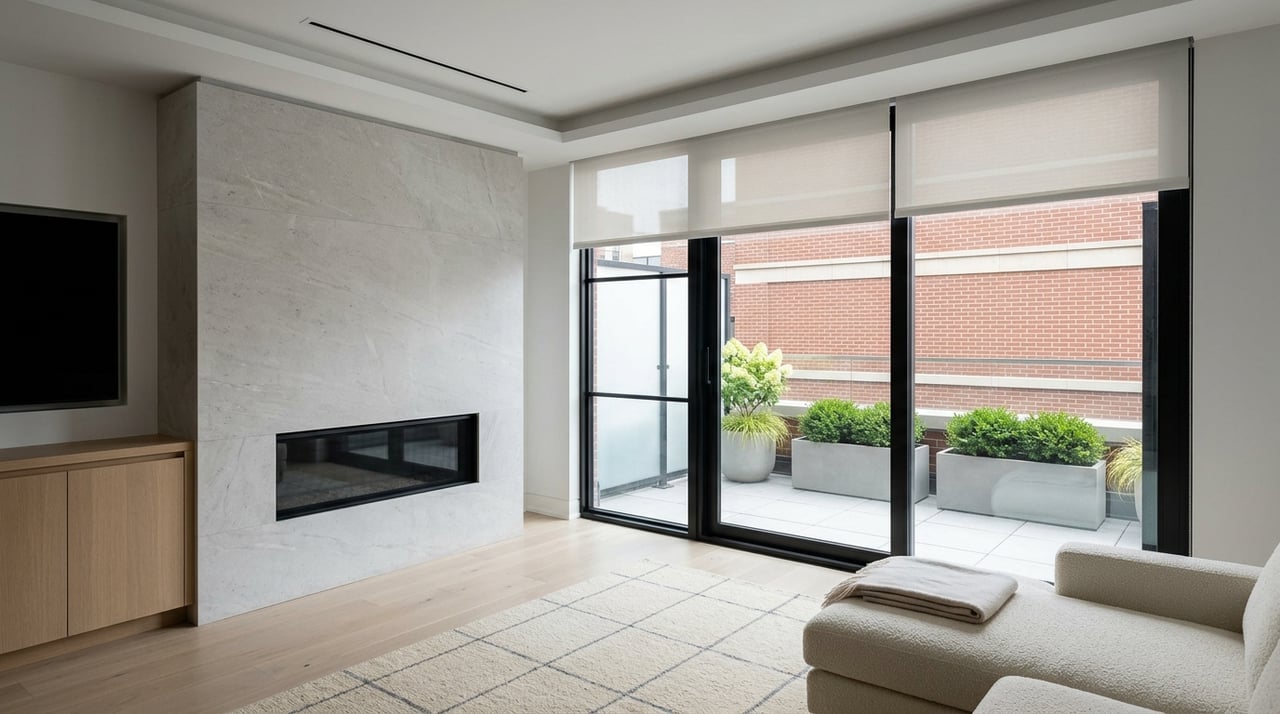
Modern homes in Uptown usually appeal for very different reasons. Newer condo and apartment projects tend to focus on efficient layouts, bright interiors, and building amenities that support lower-maintenance living.
The Chicago Architecture Center points to open floor plans and kitchen islands as common features of contemporary condos and apartments. In Uptown, newer developments also show how much emphasis is placed on convenience and shared amenities.
Recent examples in Uptown help illustrate the modern side of the market. Projects like Portrait and The Wilmore highlight features such as:
For buyers who want turnkey finishes and fewer immediate upgrade projects, these features can be a major selling point.
Modern convenience in Uptown is not only about what is inside the building. It is also about how easily you can move around the city.
CTA announced that the rebuilt Lawrence and Argyle Red Line stations opened on July 20, 2025, with elevators, escalators, wider platforms, and new track and signal infrastructure. If transit access is high on your priority list, these upgrades add to Uptown’s appeal for buyers who want easier rail access and less reliance on a car.
The better choice usually depends on how you live, not which category sounds better on paper. In Uptown, the real decision is often between preservation-oriented ownership and convenience-oriented ownership.
Here is a simple way to think about it:
| If you prioritize... | Historic or vintage may fit better | Modern may fit better |
|---|---|---|
| Architectural character | Yes | Less often |
| Courtyard greenspace | Yes | Less often |
| Traditional room layouts | Yes | Less often |
| Open-plan living | Less often | Yes |
| Turnkey finishes | Less often | Yes |
| In-unit laundry | Less often | Yes |
| Building amenities | Less often | Yes |
| Renovation flexibility | Sometimes more limited | Often simpler |
You may prefer a historic or vintage home if you care most about character, original detail, and the kind of architecture that makes Uptown feel distinct. Many buyers who love courtyard buildings and classic masonry walk-ups are looking for a home that feels connected to the neighborhood’s past.
This option can also make sense if you are comfortable with an older layout and understand that some buildings may come with more upkeep considerations. Before you buy, it helps to ask how much original material remains and whether the property is subject to landmark review.
You may lean modern if you want a move-in-ready space with a layout that fits today’s routines. Open kitchens, in-unit laundry, elevators, and amenity areas can make a real difference if convenience is a top priority.
This choice can also suit buyers who want a more predictable ownership experience. If you would rather spend less time thinking about older building systems or preservation rules, newer construction may feel like the simpler path.
No matter which style you prefer, asking the right questions can help you avoid surprises. In Uptown, these are some of the most useful ones:
These questions are especially important in a neighborhood like Uptown, where older and newer housing often sit close together and offer very different ownership experiences.
One reason this decision is not always simple is that Uptown offers more than one kind of lifestyle. Choose Chicago describes the neighborhood as a place where history and international diversity meet, with vintage theaters, jazz clubs, global dining, Montrose Beach, and well-known venues like the Green Mill, Riviera, and Aragon all contributing to the local draw.
That means the right home is not just about finishes or floor plans. It is also about how you want to experience the neighborhood. Some buyers want a vintage building that matches Uptown’s historic identity, while others want modern ease in a location that still puts them near the same energy, culture, and transit access.
In Uptown, historic and modern homes are not opposites so much as two sides of the same neighborhood story. The older masonry stock, courtyard buildings, and entertainment-era architecture give the area its identity, while newer mid-rises and transit improvements add convenience that appeals to today’s buyers.
If you are deciding between the two, focus on your daily routine, your renovation tolerance, and the features you will truly use. The best fit is the one that supports how you want to live in Uptown, not just the one that looks best in photos.
If you want help comparing vintage condos, courtyard buildings, and newer construction in Uptown, John Lyons can help you evaluate the tradeoffs and find the right fit for your goals.
John's clear communication, strategic insight, and client-first mindset create a smoother, more confident experience—no matter your goals. Experience the difference that trusted guidance and proven results can make.