Leave a Message

By providing your contact information to John Lyons, your personal information will be processed in accordance with John Lyons's Privacy Policy. By checking the box(es) below, you consent to receive communications regarding your real estate inquiries and related marketing and promotional updates in the manner selected by you. For SMS text messages, message frequency varies. Message and data rates may apply. You may opt out of receiving further communications from John Lyons at any time. To opt out of receiving SMS text messages, reply STOP to unsubscribe.

Thank you for your message. I will be in touch with you shortly.

House Hacking A 2-4 Unit In Ravenswood

January 15, 2026

Thinking about living in one unit and letting your tenants help pay the mortgage? In Ravenswood, Chicago’s classic two-flats and three-flats make that idea feel very real. You want walkable amenities, solid transit, and a path to build equity without overextending. This guide shows you how to house hack a 2-4 unit in Ravenswood with clear steps on financing, zoning, inspections, numbers, and management. Let’s dive in.

Why Ravenswood fits house hacking

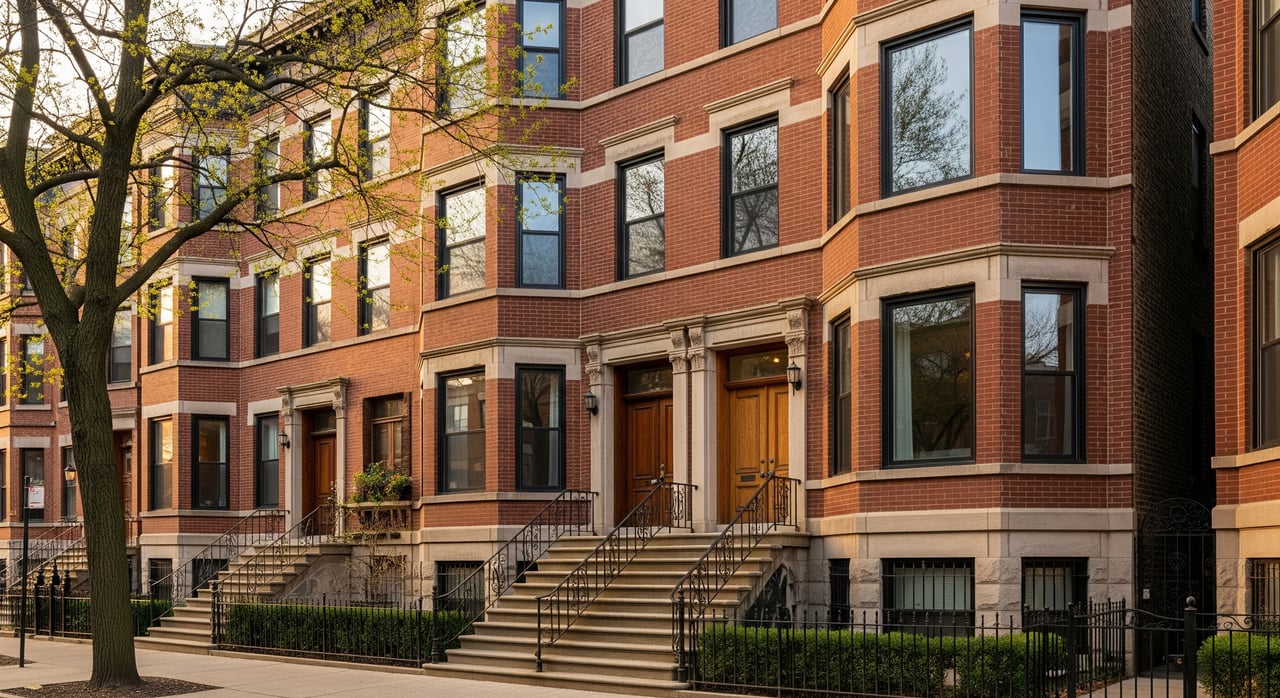
Ravenswood offers a deep inventory of early 20th-century two-flats and three-flats with independent kitchens and baths, and sometimes separate utility meters. These buildings are built for living in one unit and renting the others. Many are older, so you should plan for roof, masonry, window, boiler, and electrical updates, plus possible pre-1978 lead paint.

Transit, parks, neighborhood retail, and walkability drive rental demand across the North Side. Proximity to trains and bus lines tends to support higher rentability with young professionals. Parking options also affect rent levels, so weigh street permit zones against off-street spots when you compare properties.

Choose a financing path

FHA for multi-unit owner-occupants

You can use an FHA loan to buy a 2-4 unit if you occupy one unit as your primary residence. FHA programs are popular with house hackers because of historically low minimum down payments for qualified borrowers. Confirm current rules and limits in official HUD Single Family program guidance.

Conventional loans

Conventional owner-occupied loans for 2-4 units are available, but guidelines are often stricter than for single-family homes. Minimum down payments are typically higher, and mortgage insurance or pricing adjustments may apply. Review current standards in the Fannie Mae Selling Guide and compare lender overlays.

VA for eligible buyers

If you are eligible for VA benefits, you may be able to use a VA loan for a 2-4 unit if you live in one unit. Occupancy and entitlement rules apply. See the VA home loan program overview for details.

Portfolio and local bank options

Local banks and credit unions sometimes offer owner-occupied multi-unit programs with their own underwriting criteria. Ask how they treat rental income, what reserves they require, and what property condition standards apply.

How lenders count rental income

Many lenders will credit a portion of projected rent from the other units when they qualify you. Expect them to use market rent from the appraisal or current leases, then apply a reduction to account for vacancy and expenses. Ask upfront what percentage they use and what documentation they require.

Down payment and mortgage insurance

FHA has historically offered lower down payment options, while conventional loans for 2-4 units usually require more. Mortgage insurance and pricing differ by program and unit count. Check current requirements with each lender before you shop.

Zoning, licensing, safety: what to verify

Legal unit count and permits

Confirm that the number of units is legal and permitted. Review permits for past renovations and ensure any work on electrical, plumbing, structural, or mechanical systems was properly permitted. Start with the City of Chicago Department of Buildings and the city’s zoning resources, including the online Chicago Zoning Map, to verify allowed use and unit count.

Rental licensing and inspections

Chicago has requirements for rental properties that can include licensing and inspections. These rules change, so verify the current process and documentation with official Chicago Department of Housing resources and related Chicago.gov pages before you lease units.

Life-safety and environmental

Make sure smoke and carbon monoxide detectors meet code, that egress is safe and compliant, and that fire separation between units is adequate. For pre-1978 buildings, follow federal lead-based paint disclosure rules and deliver the required EPA pamphlet. Review the EPA’s guide to lead-based paint disclosure.

Run a quick pro forma

Core metrics to know

  • Gross Scheduled Income: All rents if fully occupied.
  • Effective Gross Income: Gross income minus vacancy and concessions.
  • Operating Expenses: Taxes, insurance, utilities you pay, maintenance, reserves, management, legal, and supplies.
  • Net Operating Income: Effective Gross Income minus Operating Expenses.
  • Cap Rate: NOI divided by purchase price, used to compare value.
  • Cash-on-Cash Return: Annual pre-tax cash flow divided by your initial cash invested.
  • GRM: Purchase price divided by gross rent, a quick screening tool.

Expenses to budget

  • Property taxes using Cook County assessment and tax history.
  • Insurance for an owner-occupied multi-unit, which is usually higher than a single-family policy.
  • Utilities, based on which meters are separate and which bills you will pay.
  • Maintenance and reserves for older building systems like masonry, roof, boilers, plumbing, and windows.
  • Vacancy and turnover costs, including cleaning, painting, and re-leasing.

Stress test your numbers

  • Interest rate changes can shift your monthly payment a lot, especially with higher loan amounts.
  • Large capital items like tuckpointing, roof, or heating systems can erode cash flow if not budgeted.
  • Rent trends and seasonal demand can move quickly, so plan a realistic vacancy and conservative rent assumptions.

Due diligence checklist

  • Get a preapproval that specifies a 2-4 unit, owner-occupied purchase and asks how rental income is treated.
  • Verify legal unit status and certificates of occupancy, plus any required rental licensing or inspection records.
  • Order a multi-unit inspection that covers structural, roof, basement, mechanicals, electrical, and plumbing.
  • Review all current leases and obtain tenant estoppel letters if tenants are in place.
  • Check permit history for renovations and confirm that critical work was permitted.
  • Confirm utility metering setup, including any shared services you will pay.
  • Pull recent tax bills and assessment history from the Cook County Assessor and payment history from the Cook County Treasurer.
  • Gather insurance quotes for an owner-occupied multi-unit policy with liability and loss-of-rents coverage.

Renovation and management

Permits and priorities

Plan improvements that address life-safety and code items first, then tackle cosmetic upgrades that boost rent. Electrical, plumbing, mechanical, structural, and many interior changes require permits. Confirm requirements with the City of Chicago Department of Buildings before work begins.

Tenant management and compliance

Decide whether to self-manage or hire a property manager. Use leases that comply with Illinois law and the City of Chicago’s rules, and follow fair housing requirements. Stay current on local renter protections by checking Chicago Department of Housing resources.

Exit strategies

  • Sell as a 2-4 unit income property to an investor once rents and records are stabilized.
  • Convert to a single-family home if allowed by zoning and code, which may require permits and planning.
  • Refinance to access equity after you improve operations and property condition.

Ready to explore Ravenswood?

If you want a step-by-step plan tailored to your budget, timeline, and target buildings, you do not need to figure it out alone. From financing paths and rent comps to due diligence and offer strategy, you can move forward with clarity and confidence. Connect with John Lyons to schedule a free consultation and map out your Ravenswood house hack.

FAQs

Can I use an FHA loan for a 2-4 unit in Ravenswood?

  • Yes. FHA allows 2-4 unit purchases when you live in one unit, subject to current FHA rules and loan limits.

How much down payment do I need for a 2-4 unit?

  • It depends on the loan type. FHA has historically offered lower down payment options, while conventional loans typically require more for multi-unit purchases.

Will lenders count rental income from other units when I qualify?

  • Many lenders will credit a portion of projected rents if supported by leases or the appraisal’s market rent schedule, with a reduction for vacancy and expenses.

What inspections and permits matter most in Chicago for multi-units?

  • Confirm legal unit status, check permit history, and inspect structure, roof, mechanicals, electrical, plumbing, and life-safety systems. Verify local rental licensing and inspection requirements.

What are the biggest risks when house hacking older Chicago buildings?

  • Major capital items like masonry, roofs, or boilers, unpermitted work, code compliance costs, and tenant turnover or vacancy can impact cash flow.

How should I price rents in Ravenswood?

  • Use current neighborhood comps for similar units, then adjust for utilities, parking, and amenities. Include a vacancy allowance and turnover costs in your pro forma.

Experience the Difference

John's clear communication, strategic insight, and client-first mindset create a smoother, more confident experience—no matter your goals. Experience the difference that trusted guidance and proven results can make.