Thinking about living in one unit and letting the other units help cover your mortgage in North Center? You’re not alone. House hacking can be a smart way to build equity and create a path toward long-term wealth, but the details matter. In this guide, you’ll learn the local property types that work best, what lenders look for, how to estimate rents, and how to navigate Chicago’s evolving ADU rules. Let’s dive in.
Why North Center works for house hacking
North Center’s housing stock includes classic two-flats, three-flats, and small condo buildings, which gives you a range of owner-occupied multi-unit options. The area offers strong transportation access and a balanced mix of households, which supports rental demand across many blocks. You can explore transit, housing occupancy, and commute data in the CMAP Community Data Snapshot for North Center for additional context on local demand trends. Review the neighborhood profile in the CMAP Community Data Snapshot.
Public portals often show a healthy owner market and steady rents in North Center. Neighborhood median sale prices tend to track in the higher ranges for Chicago, and typical asking rents for 1- to 2-bedroom apartments often land in the low to mid 1,000s. For a quick sense of current asking rents across the neighborhood, scan live listings on RentCafe’s North Center page, then verify with an appraiser if you plan to use rents to qualify.
Property types to target
Two-flats and three-flats
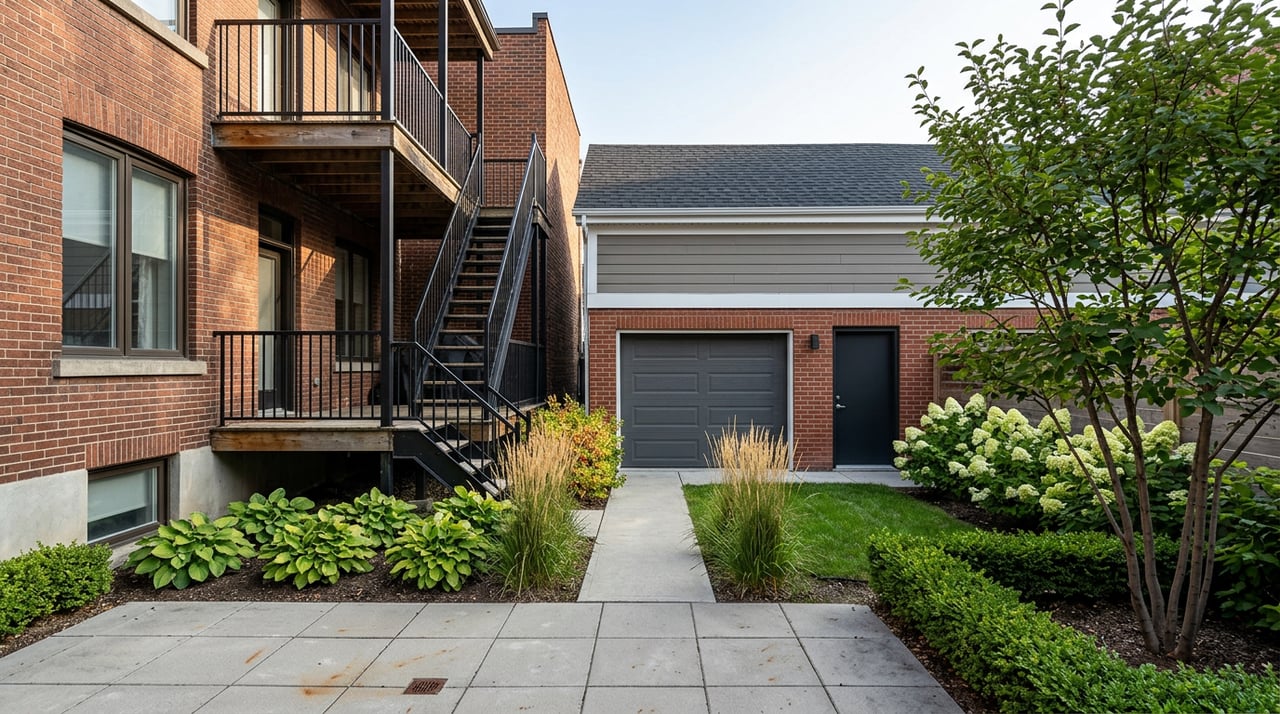
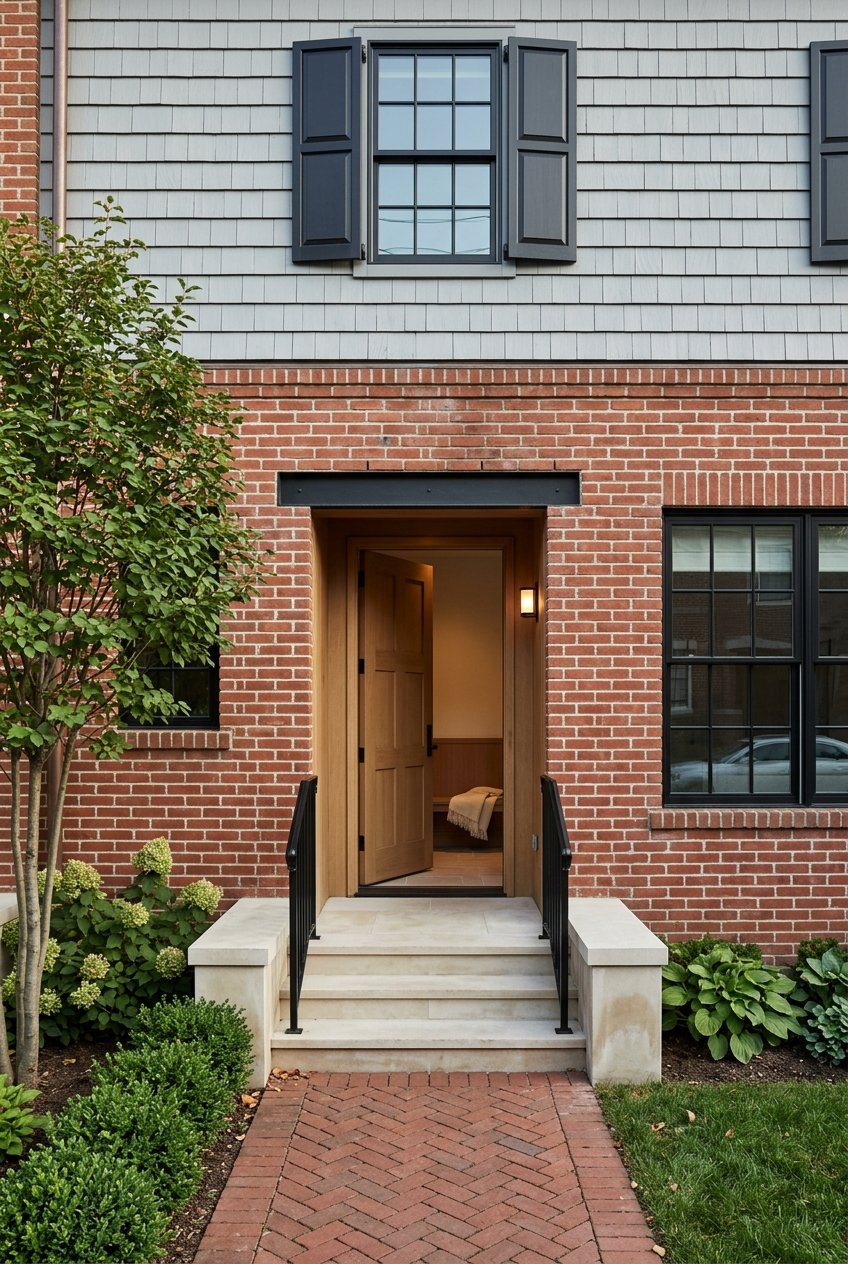
Classic two-flats and three-flats are common on tree-lined North Side blocks. They typically have separate entrances and utilities, plus independent kitchens and baths. This configuration makes them straightforward to lease and simpler to finance for owner-occupants.
Three- to four-unit small multifamily
Triplexes and four-flats can provide higher total rent, though the purchase price is often higher too. Lenders and appraisers usually require a small residential income appraisal that reports market rents for each unit. For conventional loans, appraisers use small-income forms referenced in the Fannie Mae Selling Guide.
Single-family with a legal unit or coach house
Some buyers pursue a single-family home with a legal lower-level unit or a coach house. Chicago has moved toward broader ADU rules in recent years. Pilot programs and evolving ordinances have enabled coach houses and basement conversions in select areas, with specific parking, permit, and licensing rules. Before you count on an ADU for income, review the latest policy updates and ward rules. Start with the Chicago Association of REALTORS ADU overview for context on recent changes: ADU issue summary.
Condition and utility splits
Lenders and appraisers pay close attention to safety, egress, and separate living facilities. Legal units with their own kitchens, baths, and secure entries are favored. Properties with shared utilities or unpermitted work can be harder to finance and may require a renovation loan product.
Loan options for owner-occupants
You have several paths to finance a 2- to 4-unit purchase when you plan to live in one unit. Program rules and lender overlays change, so confirm details with your mortgage professional and rely on official guidebooks for the latest standards.
FHA highlights for 2-4 units
FHA allows owner-occupied 1- to 4-unit purchases and is popular for house hacking due to its low minimum down payment for eligible borrowers. FHA loans require an appraisal that includes market rents for multi-unit properties, specific occupancy covenants, and property standards. For 3- and 4-unit properties, FHA applies a self-sufficiency test that compares adjusted net rental income against certain thresholds. Review the rental income and self-sufficiency rules in the HUD Single Family Housing Policy Handbook 4000.1.
VA options for eligible veterans
VA financing can allow eligible veterans to purchase 2- to 4-unit homes as owner-occupants, often with favorable down payment terms. There are specific occupancy and appraisal guidelines, so discuss timing and documentation with your VA lender.
Conventional options today
Conventional programs (Fannie Mae and Freddie Mac) have evolved in recent years, and some lenders permit higher loan-to-value ratios for owner-occupied 2- to 4-unit purchases than in the past. Requirements can vary by lender. For rental income treatment, appraisal forms, and eligibility matrices, reference the Fannie Mae Selling Guide and confirm your lender’s overlays.
What lenders will ask for
Most owner-occupant multi-unit loans share a core set of underwriting items:
- Occupancy covenant. You must intend to occupy one unit as your primary residence within a set time and typically for at least one year. See FHA’s occupancy provisions in the HUD Handbook 4000.1.
- Credit, income, and reserves. Expect standard credit and debt-to-income reviews. Multi-unit purchases often require extra reserves, especially for 3- and 4-unit properties. Check the GSE eligibility matrix in the Fannie Mae Selling Guide.
- Rental income documentation. If you lack a rent history, lenders usually rely on an appraiser’s market rent schedule for 2- to 4-unit properties. Fannie provides rental worksheets that many lenders use. See the forms index on Fannie Mae’s Selling and Servicing Guide Forms.
- Appraisal and property condition. Multi-unit properties typically need a small residential income appraisal that reports market rents. FHA loans also require the property to meet minimum standards. Refer to the Fannie Mae Selling Guide and HUD Handbook 4000.1.
How to estimate rents and cash flow
Use this quick, repeatable process to build a conservative pro forma before you write an offer.
Step 0: Gather basics
- Record the address, number of units, bed/bath counts, and approximate square footage per unit.
- Note condition, kitchens and baths, entries, and whether utilities are separately metered.
Step 1: Pull rent comps
- Search active listings for similar 1- and 2-bedroom units in North Center. Pay attention to size, finishes, and parking.
- Use public portals for a first pass, then confirm with a licensed appraiser if you will rely on rents to qualify. You can start with RentCafe’s North Center listings.
Step 2: Confirm market rent with an appraiser
- If projected rents will help you qualify, ask your lender to order a small residential income appraisal.
- Appraisers follow the small-income property forms referenced in the Fannie Mae Selling Guide, which include market rent schedules.
Step 3: Build gross and qualifying rent
- Gross scheduled rent equals the sum of expected monthly rents for the non-owner units.
- For underwriting, many programs apply a conservative adjustment, often using 75 percent of gross rent in certain cases. Follow your lender’s program rules and the HUD Handbook 4000.1 or GSE guidance.
Step 4: Estimate vacancy
- Use a conservative vacancy and credit loss assumption. Mid single-digit vacancy is common for tight Chicago submarkets, but it varies.
- For underwriting, many investors use a 5 to 10 percent allowance. See market context for the Chicago area in HUD’s Chicago Housing Market Area report.
Step 5: Estimate operating expenses
- Include property taxes, insurance, owner-paid utilities, repairs and maintenance, management, and reserves for capital items.
- Small multifamily expense ratios often range widely by age and condition. Many investors plan 30 to 50 percent of gross rents for all non-debt costs, then refine with quotes and actuals.
Step 6: Compute NOI, cash flow, and quick metrics
- NOI = (Gross rent × (1 − vacancy)) − operating expenses.
- Cash flow before tax = NOI − annual debt service.
- GRM = purchase price ÷ gross annual rent. Cap rate = NOI ÷ purchase price.
- For worksheets that mirror lender logic, download rental forms from Fannie Mae’s forms library and bring them to your lender or appraiser.
North Center due diligence checklist
- Verify legal unit status and permits. Unpermitted units can block financing or insurance. For ADUs and basement conversions, start with the Chicago ADU issue summary.
- Order the correct appraisal. If you will use projected rents, ask for the small residential income appraisal that includes market rent schedules, as referenced in the Fannie Mae Selling Guide.
- Review taxes and building history. Check Cook County property records and permits to understand tax trends and prior work.
- Assess parking and transit access. North Center’s transit and walkability support tenant demand. Use the CMAP community snapshot to understand commute patterns.
- Build a conservative pro forma. Follow the steps above, then pressure-test your numbers with your lender and appraiser.
Next steps
House hacking in North Center can be a practical way to enter the market, reduce monthly payments, and build equity. The key is to match the right property type with the right financing and conservative rent assumptions. If you want local guidance and a process-driven search that prioritizes your goals, connect with John Lyons to explore on- and off-market multi-unit opportunities and map out your next move.
FAQs
Can you use FHA to buy a duplex in North Center?
- Yes. FHA permits owner-occupied 2- to 4-unit purchases and requires you to live in one unit, meet property standards, and document market rents. For 3- and 4-unit properties, FHA’s self-sufficiency test applies. See the HUD Handbook 4000.1.
Are coach houses allowed in North Center right now?
- Chicago expanded ADU rules through pilot zones and subsequent council actions, with ward-level implementation details. Always verify current ward opt-ins and permits before planning a coach house. Start with this ADU issue summary.
How do you show rents to a lender without lease history?
- Lenders generally rely on an appraiser’s market rent schedule for 2- to 4-unit properties. Ask your lender for the small residential income appraisal and reference the forms at Fannie Mae’s forms library.
What vacancy rate should you use when underwriting in Chicago?
- A conservative starting point is 5 to 10 percent, depending on submarket and property type. For context on regional rental conditions, see HUD’s Chicago HMA report.
Do you need separate utilities for each unit to finance a multi-unit?
- Separate meters and independent living facilities are preferred by lenders and appraisers. Shared utilities or unpermitted conversions can complicate financing and may require a renovation loan or additional documentation.