Selling A Vintage Old Town Home Without Losing Its Charm
May 21, 2026
May 21, 2026
Selling a vintage home in Old Town can feel like a balancing act. You want buyers to see the history, texture, and personality that make the property special, but you also want the home to feel fresh, cared for, and market-ready. The good news is that you do not need to strip away original character to attract strong interest. With the right strategy, you can highlight charm, answer buyer concerns clearly, and position your home to stand out. Let’s dive in.
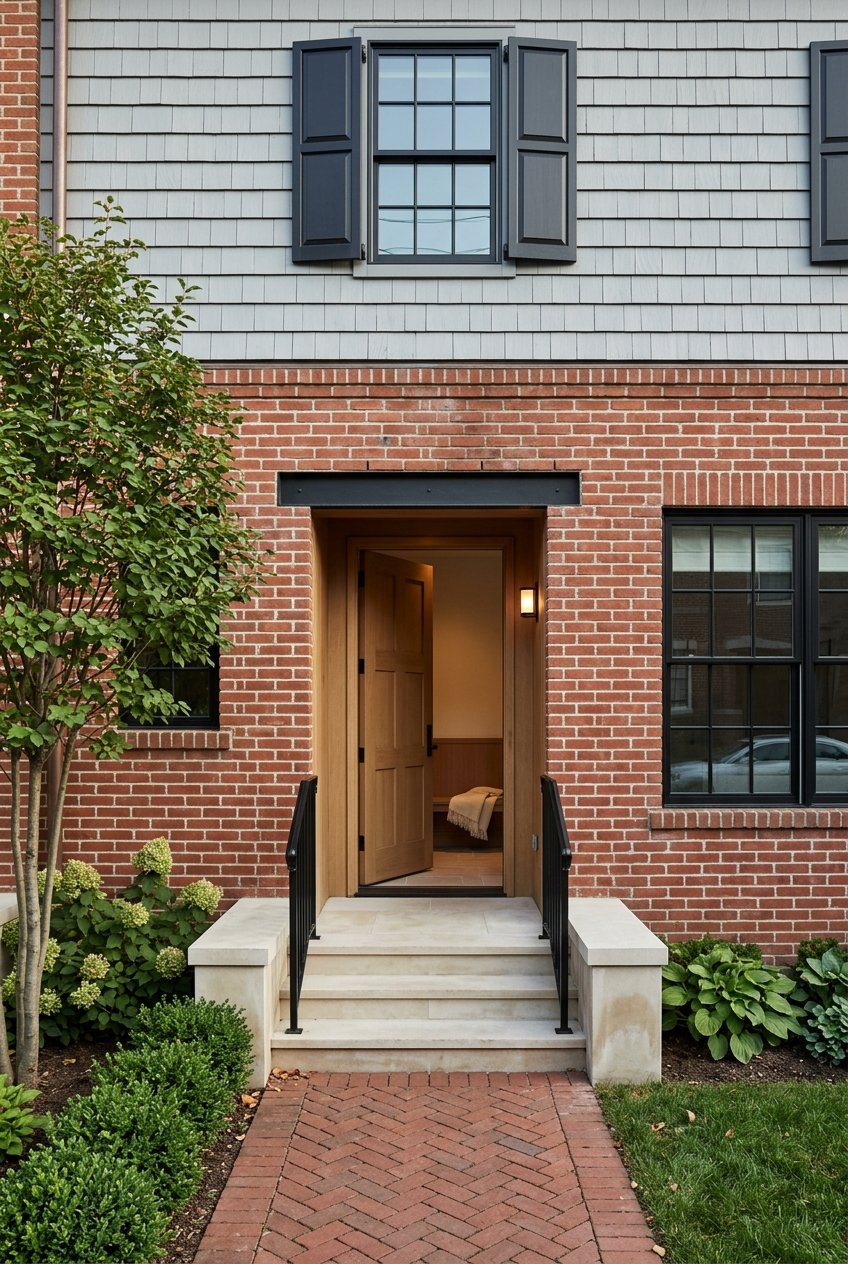
Old Town has a housing story that buyers can feel the moment they walk the block. In the Old Town Triangle District, the City of Chicago notes that the area was first settled in the 1850s, rebuilt after the Great Chicago Fire in brick and stone, and is known for worker’s cottages, rowhouses, apartment buildings, and narrow tree-lined streets.
That architectural character is a real part of the neighborhood’s appeal. Buyers looking in Old Town are often drawn to age, materials, proportions, and a sense of place that newer construction cannot easily replicate. When you sell a vintage home here, charm is not a side note. It is part of the value story.
If your property is in the Old Town Triangle District, landmark status may also shape how buyers view it. The City of Chicago says designation can add prestige and help stabilize a neighborhood, and it also notes that landmark designation does not directly change the Cook County Assessor’s valuation or the tax rate. For sellers, that means historic context is often best presented as an asset, not a penalty.
Old Town remains an active market, even though different housing trackers measure it in slightly different ways. Redfin reported a median sale price of $472,500 in March 2026, up 12.1% year over year, with homes selling after a median of 49 days.
Zillow reported an average Old Town home value of $448,017, up 1.3% over the past year, with homes going pending in about 7 days as of late April 2026. Realtor.com described Old Town as a seller’s market in March 2026, with a 101% sale-to-list ratio and a median of 27 days on market.
The broader Chicago backdrop also supports a strong selling environment. Illinois REALTORS reported that Chicago’s March 2026 median sales price reached $409,200, up 7.7% from a year earlier, while inventory fell 28.8% and days on market dropped to 32. In practical terms, buyers are active, but presentation still matters.
One of the biggest mistakes sellers make with vintage homes is overcorrecting. In a neighborhood like Old Town, buyers often want original details, visible craftsmanship, and materials that feel authentic. If you remodel everything to look brand new, you may erase the very features that make your home memorable.
Chicago’s rehabilitation guidelines support a preservation-minded approach. The city emphasizes maintaining significant features, repairing rather than replacing when possible, and replacing in kind instead of redesigning historic elements.
That matters most for visible character-defining details. The guidelines describe significant features in terms of size, shape, design, detail, and materials. In a vintage Old Town home, that can mean masonry, trim, proportions, and other exterior or interior details that give the property its identity.
A better strategy is selective polish. Refresh what buyers notice right away, improve function where needed, and avoid updates that make the home feel generic.
Before listing, concentrate on updates that improve presentation without removing personality:
Routine maintenance is usually different from major exterior change. The City of Chicago notes that routine work like painting and minor repairs does not require a building permit, while exterior work in a landmark district may be reviewed if it affects significant historical or architectural features visible from the public right-of-way.
If your home is in a landmark district, exterior changes deserve extra care. The city reviews permit applications to determine whether proposed work affects important historic features, especially on visible exterior elevations.
That does not mean you cannot improve the property. It means your best return often comes from compatible, preservation-aware updates rather than redesigning the exterior. New work should fit the home’s scale, massing, and architectural character instead of competing with it.
Staging is especially important in a vintage home because buyers can sometimes confuse charm with maintenance needs. A well-staged property helps them separate what is special from what simply needs attention.
The National Association of Realtors defines staging as cleaning, decluttering, repairing, depersonalizing, and updating the home so buyers can picture themselves living there. It also reports that staging is especially effective in the living room, primary bedroom, and kitchen.
That guidance fits Old Town homes well. These are often spaces where original details and modern living meet, so your goal is to make the home feel usable, calm, and visually clear.
According to NAR’s 2025 staging findings, the most common recommendations are decluttering, cleaning, and improving curb appeal. Those basics matter even more in an older home, where visual noise can make buyers focus on age instead of quality.
Use this checklist as a starting point:
NAR found that 83% of buyers’ agents said staging made it easier for buyers to visualize a property as their future home. It also found that 49% of sellers’ agents said staging reduced time on market.
For many sellers, staging is also manageable from a budget standpoint. NAR reported a median cost of $1,500 when using a staging service, compared with $500 when the seller’s agent handled staging personally. In a competitive market, that can be a modest investment compared with a later price reduction.
Buyers often see your home online before they ever step inside. NAR notes that listing photos, physical staging, videos, and virtual tours all influence buyer interest, and virtual staging can help if the home is vacant.
For a vintage Old Town home, listing media should do two things at once. It should capture the property’s original character, and it should reassure buyers that the home feels functional and well cared for today.
That means your marketing should highlight:
Older homes usually bring more buyer questions, and that is not a bad thing. In fact, clear answers can build confidence and help your listing feel honest and well managed.
In Old Town, buyers are likely to ask whether features are original or updated, whether the property is in the Old Town Triangle District, whether exterior work may be subject to landmark review, and which improvements were cosmetic versus structural.
These questions are easier to handle when you prepare upfront. Create a clear list of known updates, note what you believe to be original, and organize paperwork for work you have completed. You do not need to over-explain, but you do want your information to be consistent and specific.
Illinois sellers have clear disclosure obligations, and vintage homes require special attention. Under Illinois law, you must complete and deliver the residential real property disclosure report before signing a contract, disclose material defects you actually know about, and supplement the disclosure if you later learn of an error, inaccuracy, or omission before closing.
The key phrase is actual knowledge. If you know about a roof leak, settlement issue, water intrusion, or mechanical problem, disclose it clearly. If you do not know the answer to something, avoid guessing.
Lead-based paint rules may also apply. The EPA says sellers of most homes built before 1978 must disclose any known lead-based paint or lead hazards and provide buyers with the required lead hazard information pamphlet.
Handled well, disclosure does not weaken your position. It often strengthens trust. Buyers tend to respond better when an older home is presented as authentic, well maintained, and honestly represented.
The strongest approach for an Old Town vintage home is rarely a full reset. It is a process-driven mix of preservation, presentation, and transparency.
That means keeping the visible features that create emotional connection, fixing the issues buyers will notice right away, and giving the home a clean, polished listing presence. In an area where architectural character is part of the draw, authenticity can be a competitive advantage.
If you are thinking about selling, the goal is not to make your home feel like every other listing. The goal is to help buyers understand why your home belongs in Old Town, why its details matter, and how it can fit modern life without losing what makes it special.
When you want a clear plan for pricing, staging, and positioning a vintage property, John Lyons can help you build a smart, neighborhood-specific strategy from day one.
John's clear communication, strategic insight, and client-first mindset create a smoother, more confident experience—no matter your goals. Experience the difference that trusted guidance and proven results can make.