Buying a Condo in Roscoe Village With Confidence
February 12, 2026
February 12, 2026
Thinking about buying a condo in Roscoe Village? You are not alone. The neighborhood’s village feel, tree-lined blocks, and walkable retail draw buyers who want city convenience with a calmer vibe. This guide gives you a practical roadmap to compare buildings, read assessments, vet reserves and insurance, understand parking and location trade-offs, and review documents with confidence. Let’s dive in.
Roscoe Village offers a quieter North Side setting with easy access to retail and dining along Lincoln, Roscoe, and Southport. You can enjoy parks and a neighborhood pace while staying close to transit and daily needs. Many buyers trade a bit of interior space for calmer streets and strong walkability.
If you are weighing timing or pace of sales, you can review neighborhood market trends through the Chicago Association of REALTORS market stats. Use this as context while you focus on the building-level details that drive value.
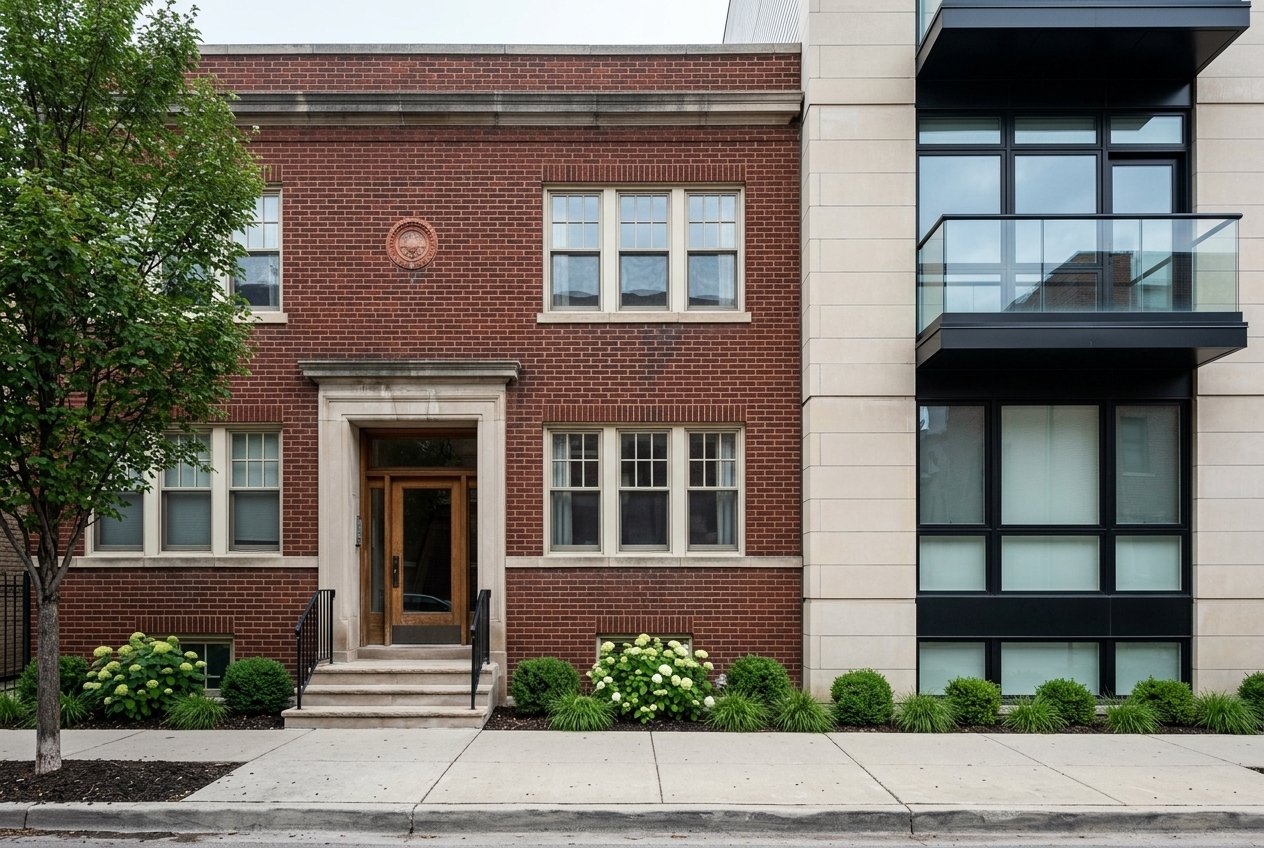
These 2–6 unit buildings were often apartment conversions. You may see original woodwork and unique layouts. Watch for deferred maintenance, smaller reserves, and unit-by-unit variability in updates.
These 3–6 story buildings may include common corridors, on-site laundry, or an elevator. Associations here tend to be more formal, with structured budgets and policies. Review recent hallway, roof, or boiler projects to gauge upcoming needs.
Recent developments bring contemporary finishes, engineered systems, and structured or tuck-under parking. Confirm developer warranties, association startup reserves, and any concentration of rentals or unsold units. Newer associations can face stricter lender reviews.
These attached or stacked condos often have private entrances that appeal to buyers seeking a home-like feel. Reserve and insurance structures can differ, and you may hold more responsibility for exterior elements. Clarify who maintains roofs, siding, and decks.
Your monthly assessment and the association’s financial health are central to your decision. Request these documents early and review them closely.
Ask for the current budget and the last 2–3 years of budgets. Look for consistent, reasonable increases tied to maintenance schedules. Confirm what your assessment includes, such as:
Request a log of special assessments from the last 5–10 years to see why they were levied and how they were paid.
Obtain the latest reserve study and current reserve balance. A well-funded reserve reduces the chance of surprise special assessments. For older masonry buildings or those with elevators, make sure reserves align with upcoming roof, facade, or system needs.
Confirm if the master policy is “bare walls” or “all-in.” Know the deductible and whether owners must carry an HO-6 policy for interior finishes and personal liability. For background on association obligations and owner rights, you can review the Illinois Condominium Property Act.
Lenders review condo projects for owner-occupancy, rental caps, single-owner concentration, commercial space, and litigation. High investor concentration or active litigation can limit mortgage options or raise costs.
To understand common lender criteria, check the Fannie Mae condo project standards. Choose a lender experienced with Chicago condo approvals and get a pre-approval that considers project eligibility upfront.
Roscoe Village offers a mix of parking options: assigned surface stalls, gated lots, tandem spaces, tuck-under garages in newer buildings, and occasional deeded garages. Deeded or assigned parking typically adds value and buyer appeal. Older buildings may lack secure bike storage, so confirm storage locations and access.
Many blocks participate in the city’s residential permit parking program. Review how permits work and guest options through the City of Chicago Residential Permit Parking Program. Proximity to bus routes and nearby “L” stations improves commuting convenience but can raise street noise on commercial blocks.
Expect premiums for blocks with mature trees, quick access to the retail core, and parks like Hamlin Park. Units a block or two off the main corridors often strike a nice balance between quiet and walkability. Distance to rapid transit can boost desirability for commuters.
Private outdoor space, rooftop decks, or lower levels with direct outdoor access are strong pluses for buyers with pets or those who value easy in-and-out. Proximity to public and private schools is an additional consideration for many households.
Your lender will likely require a condo questionnaire and key documents before final approval. Newly formed associations may face closer scrutiny. Get pre-approved with a lender who regularly handles Chicago condos and can evaluate project eligibility early to avoid delays.
If you want broader context on market movement while you shop, the Chicago Association of REALTORS market stats can help you align expectations on pace and seasonality.
A thorough inspection covers both the unit and the building. Inside the unit, check for water intrusion, window and door seals, electrical and plumbing issues, and HVAC age and service records. Inspect balconies or terraces for railings, drainage, and solid connections, since balcony repairs are a common assessment trigger.
At the building level, review any recent exterior reports, the roof’s age and condition, and maintenance logs for elevators or boilers. Older masonry may need tuckpointing or facade work over time, so look for past projects and whether more are planned.
Verify that taxes and assessments are current and that there are no liens on the unit. You can look up parcel-level tax information with the Cook County Assessor and search property records through the Cook County Clerk’s Recording Division.
For added diligence, check for open code issues or recent work using the City’s data tools, including Building Violations and Building Permits.
Buying in Roscoe Village works best when you match your lifestyle to the right building type, verify the association’s financial strength, and weigh street-level value drivers like parking, transit, and parks. With the right documents and inspections, you can move forward with clarity.
If you want a steady, step-by-step process and local insight on specific buildings, connect with John Lyons. Schedule a free consultation to map a plan, preview options, and buy with confidence.
John's clear communication, strategic insight, and client-first mindset create a smoother, more confident experience—no matter your goals. Experience the difference that trusted guidance and proven results can make.