River North Loft vs High-Rise Living: A Clear Guide
February 19, 2026
February 19, 2026
Choosing between a character-filled loft and a full-amenity high-rise in River North can feel like picking between two great versions of downtown Chicago living. You want the right mix of style, comfort, and convenience without surprises after you close. In this guide, you’ll compare day-to-day lifestyle, costs, financing, and resale so you can make a clear, confident choice. Let’s dive in.
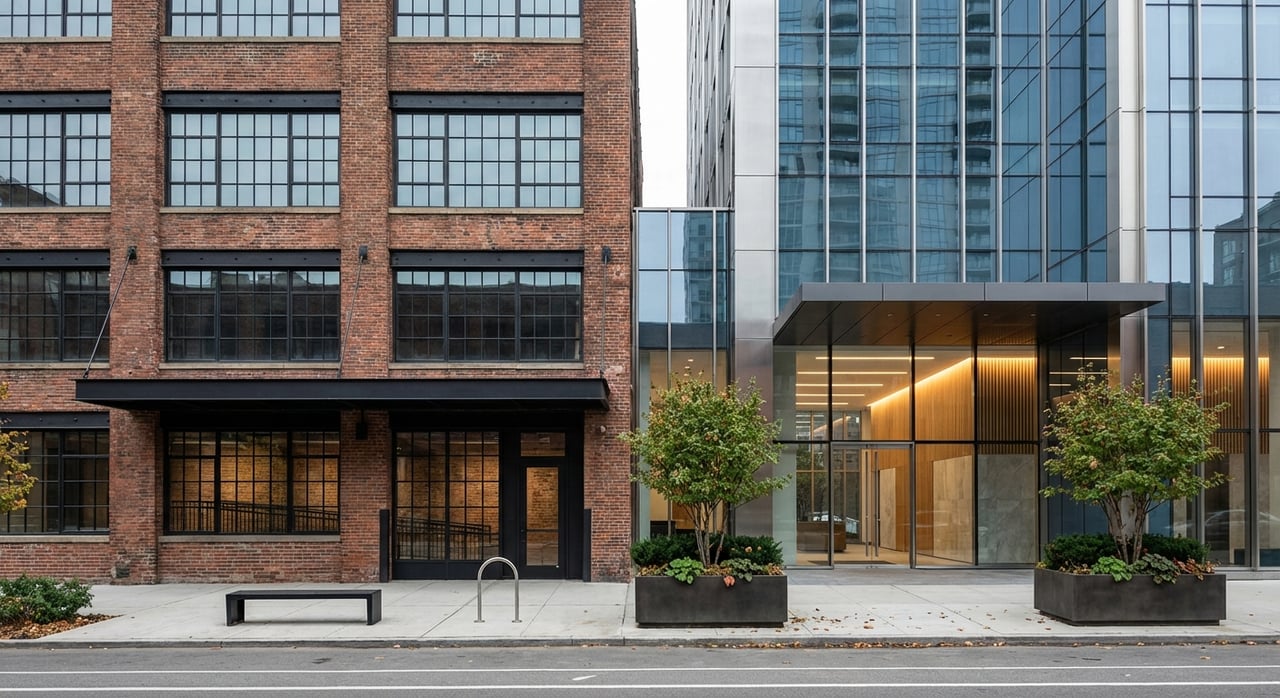
River North sits between the Chicago River and the Magnificent Mile, known for galleries, dining, and design showrooms, plus easy access to the CTA Red and Brown Lines and the Merchandise Mart. These location perks keep demand strong for both lofts and towers. Third-party reports through 2024 and 2025 describe River North as an in-demand, amenity-rich area, with trends that can vary by unit size. You’ll find everything from authentic warehouse conversions to glassy high-rises within a few blocks. For neighborhood context, the River North overview is a helpful starting point, and broader market summaries highlight the neighborhood’s amenity-driven appeal and demand patterns (market characterization).
Recent third-party data shows a median sale price in roughly the mid to high $400,000s depending on the provider and period. Reported medians often differ because of methodology and mix of unit types. Use this as general context while you compare building types and specific addresses.
Not all lofts are the same. In River North, you’ll see three common categories.
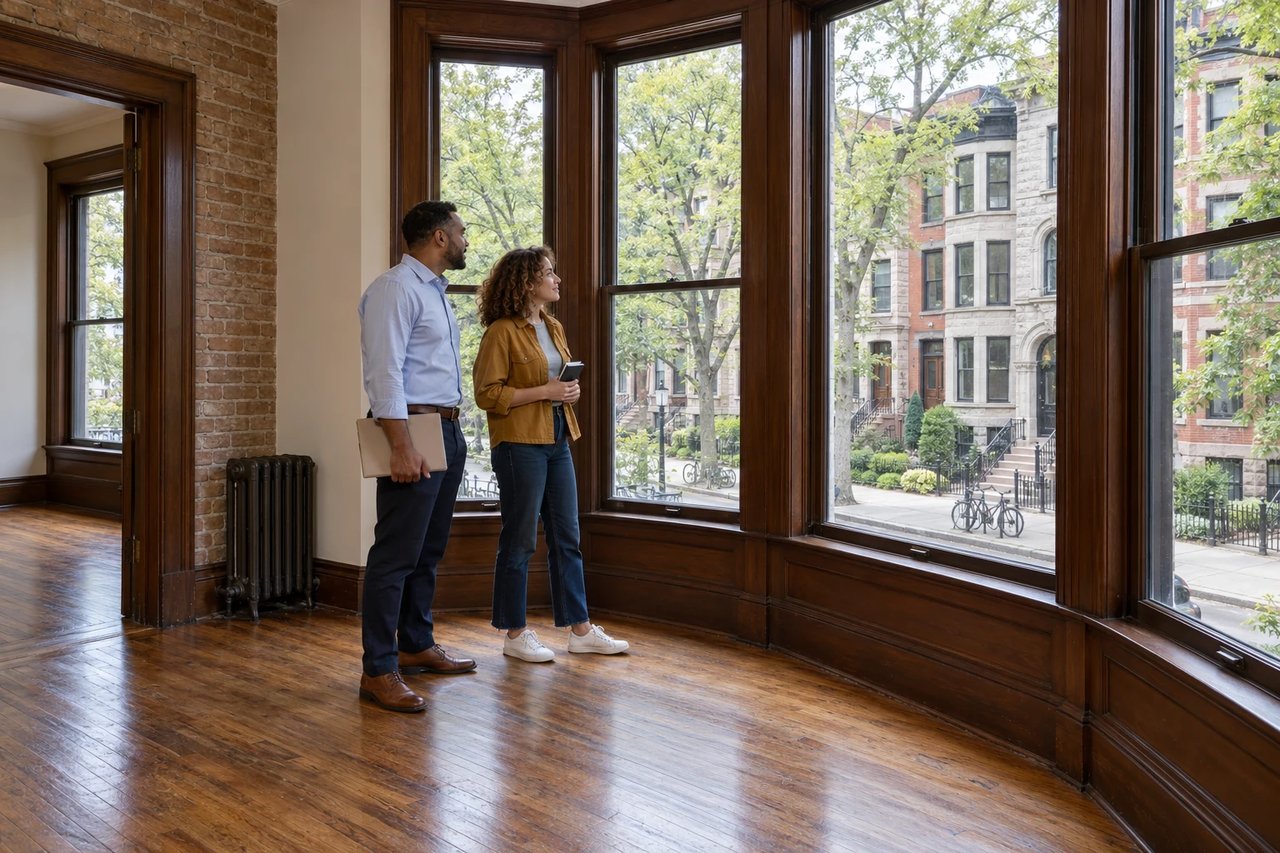
Hard lofts are authentic conversions of former industrial or commercial buildings. You’ll typically see exposed brick, heavy timber or steel beams, large industrial windows, and tall ceilings that can exceed 12 feet. The look is dramatic and architectural, with vertical volume and open plans. See a general definition of loft-style housing here: what a loft is.
What to know: You may trade some modern conveniences for character. Older windows or mechanical systems can raise maintenance needs over time. Adaptive-reuse projects can also face envelope or system upgrades that associations must plan for, so it is smart to review reserves and upcoming capital work (adaptive-reuse considerations).
Soft lofts are newer buildings that use loft aesthetics like open plans, exposed concrete or ductwork, and larger windows, but they are built to modern codes and systems. You often get better insulation, sound performance, and more standardized floor plans than a hard loft. Financing and appraisals can also be more straightforward because there are more comparable units.
High-rises are purpose-built towers with stacked floor plates, doorman or door staff, fitness centers, pools, resident lounges, rooftop decks, and package handling. Ceiling heights in standard tiers are often about 9 to 10 feet, with some premium units higher. Monthly assessments are usually higher than low-amenity buildings because you are paying for services and shared spaces. For many buyers, the time savings and convenience are worth the premium.
Garage parking is often deeded or rented separately, so always check whether parking is included and at what additional cost. Street parking is limited. Proximity to the CTA and Metra options can be more valuable than a stall if you commute.
Monthly assessments vary widely by building and amenity level. In River North, minimal-amenity loft associations can show fees in the low to mid ranges for the area, while amenity-rich towers commonly run higher because of door staff, on-site management, and facility upkeep. Compare the total monthly cost of ownership by adding mortgage, taxes, insurance, HOA, and parking.
If you are budgeting for an investment, know that published rental medians around River North often cluster in the low $3,000s per month depending on unit mix and measurement period. Exact rentability depends on the specific building, floor plan, and location. Always review current comps before making assumptions.
Lenders look at the condo project, not just your unit. Fannie Mae and Freddie Mac require certain project-level standards like owner-occupancy, reserves, and litigation status for conventional loans. Ask your lender whether the building is warrantable and what review is required. You can read general guidance on Fannie Mae condo project standards.
If you plan to use FHA, confirm eligibility early. HUD allows single-unit approvals in certain cases, but there are strict rules around concentration limits and occupancy. Start with HUD’s overview of FHA condo approvals.
Illinois requires condo boards to prepare annual budgets and to maintain reasonable reserves for capital items and deferred maintenance. As a buyer, request the budget, any reserve study or engineer’s report, and recent board minutes to spot special assessments or litigation. A clear paper trail supports both financing and long-term value. Read more in the Illinois Condominium Property Act.
Confirm the association’s master policy type. If it is bare-walls, you will need an HO-6 policy that covers interior finishes and personal property. Regardless of master coverage, consider loss-assessment coverage in case the association levies a special assessment after a covered event. Here is a clear primer on condo insurance and HO-6 coverage.
Historic conversions can face windows, roof, elevator, or façade projects at concentrated intervals. Ask when major systems were last replaced and whether the association completed a reserve study. Adaptive-reuse projects often come with known retrofit issues that boards need to plan for over time (adaptive-reuse considerations).
Hard lofts can be trickier to appraise because layouts and finishes vary. That uniqueness can help your unit stand out, but it may narrow your buyer pool and extend days on market. High-rise units often have easier comps because tiers and amenities are standardized, which can help with financing speed and resale predictability.
When touring, confirm the exact ceiling heights, window orientation, and amenity list. Even within one address, tiers can differ a lot.
Use this list to compare buildings on equal footing.
Choose a hard loft if you want authentic materials, tall volume, and one-of-a-kind character, and you are comfortable reviewing building systems and reserves with extra care. Choose a soft loft if you like the open look but want modern systems and easier financing and resale. Choose a full-amenity high-rise if you value convenience, services, and predictable comps, and you are comfortable with higher assessments.
If you want a tailored short list that fits your budget, lifestyle, and timing, connect with a local advisor who knows the buildings and the board reputations. Ready to compare the best options for you in River North? Reach out to John Lyons to schedule a free consultation.
John's clear communication, strategic insight, and client-first mindset create a smoother, more confident experience—no matter your goals. Experience the difference that trusted guidance and proven results can make.