Deeded Parking Options in River North Condos
December 18, 2025
December 18, 2025
Hunting for a condo in River North and wondering if deeded parking is worth it? You are not alone. In a dense neighborhood with limited on‑street options, the right parking setup can save time, reduce stress, and support resale value. In this guide, you will learn how deeded parking works, how it differs from assigned or leased spaces, what to verify in Cook County records, and the practical pros and cons of each option. Let’s dive in.
Deeded parking is a property interest tied to a specific parking space. In many River North condominiums, a space is either a separate “parking unit” with its own legal description or a limited common element linked to your condo unit. The key is that your right to use the stall is recorded and transfers with a deed.
By contrast, assigned or leased parking is a use right created by the association. The building can reassign it or change terms under its rules. Some buildings also use easements, where recorded documents allow parking on property owned by someone else.
River North buildings offer several parking setups. Your daily convenience, upfront cost, and resale appeal will vary based on the format.
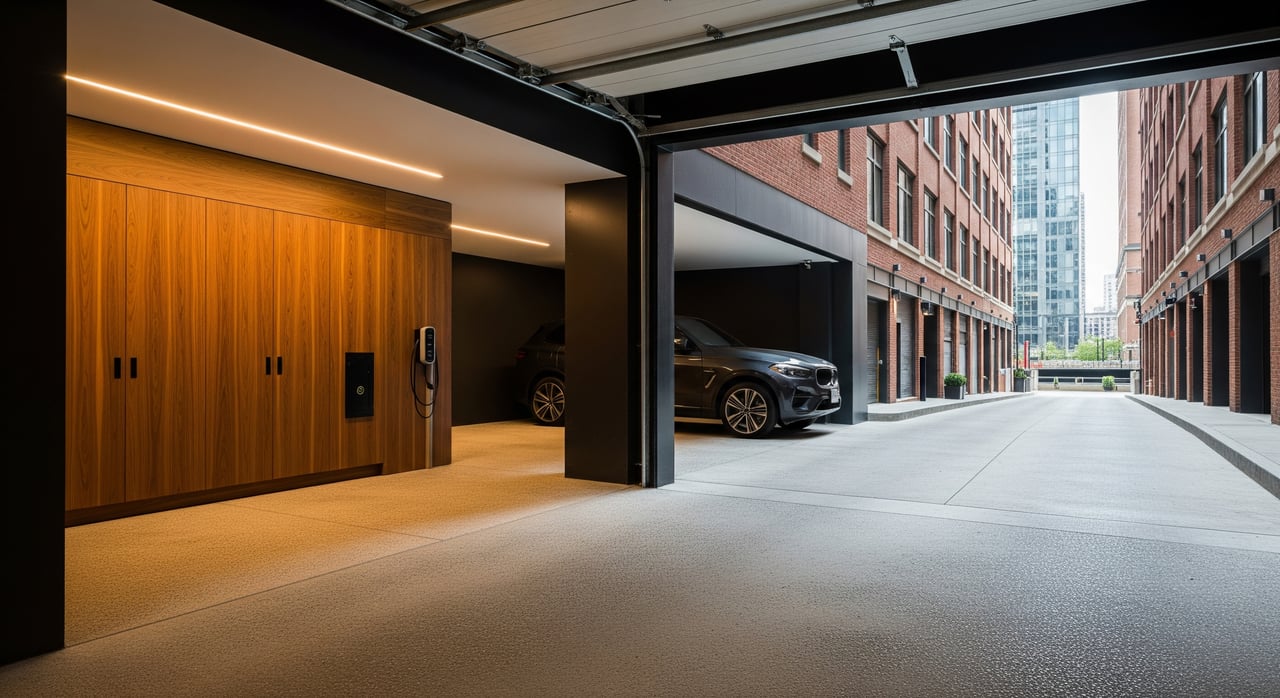
This is the most straightforward option for many buyers. You get clear property rights, weather protection, and often direct building access. It usually commands the highest price within the building, and it often broadens buyer interest at resale.
Tandem means one car must move for the other to exit. It can be a cost saver, but coordination is part of daily life if two separate owners share it.
Lifts increase capacity in tight garages. They can work well when space is scarce, but they need attention and maintenance.
Less common in River North, but you will see it nearby. These spaces may have their own parcel number and tax bill.
Some buildings offer parking as a monthly or annual amenity. It can be budget friendly for short stays or tenants, but it is not a property right.
Street parking in River North is often metered or time-limited. It is not a substitute for a private deeded space if you rely on a car daily.
Before you write an offer, confirm exactly what you are buying. You want to see recorded rights, clean title, and clear building rules.
Lenders and appraisers treat deeded parking differently from assigned spaces. A deeded parking unit is usually easier to value with comparable sales. In dense River North buildings, the presence of a convenient, deeded, covered stall can influence buyer demand.
Taxes and assessments depend on how the parking is structured. A separately deeded space may have its own PIN and tax bill. Limited common element parking is typically reflected in your unit’s assessment. Watch for garage-related special assessments in the building budget and meeting minutes.
Transfer rules can affect timing and marketability. Some associations require board consent or have rights of first refusal for parking transfers. Confirm restrictions in the deed and governing documents. Also verify insurance boundaries: the condo’s master policy may cover the garage structure, while you may need liability coverage or coverage for lift equipment.
EV adoption is growing, and many buildings are updating policies. Most condominiums require board approval before installing a charger. You may need permits, capacity upgrades, and a plan for metering electricity. For code and permitting context, review the Chicago Department of Buildings resources and ask your association for its EV policy.
If your space uses a mechanical lift, confirm the building’s approval documentation, service contract, and any insurance requirements. Measure your vehicle and check height and weight limits before you commit.
In River North, deeded covered stalls often support stronger resale appeal than assigned or off‑site options. Tandem and lift spaces can trade at a discount to single, standard stalls because of daily convenience factors. To understand current demand, keep an eye on local data from the Chicago Association of REALTORS market stats, and study recent comparable sales within your building and nearby.
Use this list to keep your diligence on track before and during your contract period:
Prepare clear documents and disclosures so buyers can move forward with confidence:
Your decision comes down to convenience, budget, and long-term plans. If you commute by car or plan to own for several years, a deeded, covered stall often delivers the best daily experience and resale flexibility. If you rarely drive or are testing the neighborhood, assigned or leased parking can be a short-term fit, with the understanding that terms can change.
When you weigh options, consider where the stall sits within the garage, how you access the elevator, and whether a lift or tandem setup fits your lifestyle. Balance upfront price with likely resale appeal and building policies you can live with.
Ready to evaluate parking options in a specific River North building or compare recent sales with and without deeded stalls? Connect with John Lyons for local guidance and a step-by-step plan tailored to your goals.
John's clear communication, strategic insight, and client-first mindset create a smoother, more confident experience—no matter your goals. Experience the difference that trusted guidance and proven results can make.