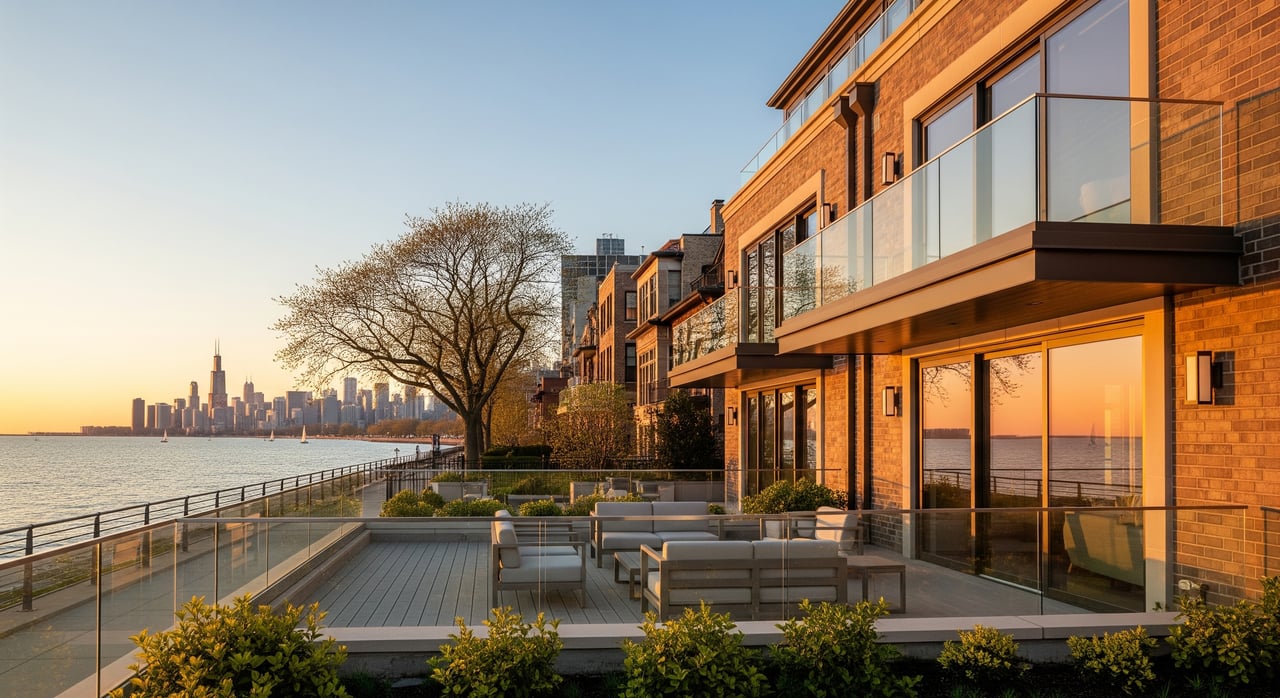
Is your Lake View condo or townhome really worth more because it faces Lake Michigan? Pricing a home with a view in this neighborhood can feel tricky, especially when two units in the same building sell for very different numbers. You want a clear plan grounded in data, not guesswork. In this guide, you’ll learn how to price for the “view premium,” what local factors matter most, and how to build a defensible pricing strategy. Let’s dive in.
Lake View market context
Lake View sits along Chicago’s lakefront and includes several sub-neighborhoods. Prices can shift by block based on park access, water views, and distance to retail corridors. Knowing your exact location and micro-market will help you set the right price.
Sub-neighborhoods and streets
Wrigleyville, Southport Corridor, Buena Park, and East Lake View each have their own dynamics. Values change with proximity to the lakefront, parks, and commercial streets. When you gather comps, focus on the closest, most similar pockets and note the nearest cross streets.
Housing mix and buyers
You see a blend of high-rise and mid-rise condos, single-family homes, and two- to three-flats. Buyer profiles vary by product type. Condo buyers often prioritize views, amenities, and transit, while single-family buyers focus on space and layout.
Seasonality and momentum
Chicago’s market tends to run hotter in spring and slower in winter. To avoid reading a seasonal blip as a trend, rely on rolling 6 to 12 month metrics for pricing, not just a single month snapshot. Broader drivers like mortgage rates and employment can add tailwinds or headwinds.
Zoning and historic overlays
Zoning rules and any landmark or historic status can affect remodeling potential and future value. Before making upgrade decisions, review parcel records, assessments, and any restrictions that could impact exterior changes.
What drives a lake view premium
Several features shape how much buyers will pay for a Lake Michigan view in Lake View. The more precisely you document each factor, the stronger your pricing case.
View quality and orientation
Full, unobstructed views typically command the highest premium. Partial or angled views are worth less. Be specific in your description and photography, noting whether the exposure is northeast, southeast, or another orientation.
Proximity to lakefront and parks
Walkability to the lakefront trail, Belmont Harbor, and nearby parks adds value. However, noise and event traffic can affect desirability for some buyers. Balance your marketing by highlighting access while staying transparent about local activity.
Product type and amenities
High-rise condos often capture higher price per square foot for true lake-facing units because elevation protects sightlines. Amenities like a door staff, secure heated parking, fitness rooms, and balconies influence buyer willingness to pay.
Floor level and sightlines
Higher floors tend to sell for more when views open up and obstructions fall away. The premium varies by building and orientation. Note the floor, the line, and how the view changes room by room.
Condition and layout
Updated kitchens and baths, newer windows or sliders, and a layout that frames the view are valuable. Usable balconies and hardwood floors also elevate perceived quality.
Parking and storage
On-site, secure, and especially heated parking adds meaningful value in Chicago winters. Storage lockers and bike storage are helpful add-ons.
Market supply and demand
Inventory levels, days on market, and sale-to-list ratios for your specific product type matter. If two-bedroom lake-view condos nearby are selling quickly, you may have more pricing power.
External factors
Mortgage rates shape affordability and buyer pools. Strong local employment and tourism can support demand, especially where rental rules allow investors to participate.
Build your pricing plan step by step
Use this process to create a data-backed pricing strategy tailored to your unit and micro-market.
1. Define the product profile
- Unit type, beds/baths, square footage, floor, and exposure.
- Balcony size and usability; window condition and sound attenuation.
- Parking and storage details, plus recent upgrades and finishes.
- Building name, address, and exact orientation relative to the lake.
2. Gather micro-market comps
- Prioritize closings from the past 3 to 12 months that match product type and view quality.
- Start with same-building, same-floor-plan sales. Then expand to same block or comparable buildings.
- Include pending and active listings to understand current competition.
3. Create an adjustment grid
- For each comp, adjust for differences like view quality, floor level, parking, condition, and square footage.
- Keep adjustments specific and defensible. Document the reason for each number.
- Use photos, floor plans, and remarks to confirm how views were marketed.
4. Evaluate market conditions
- Review inventory, days on market, and sale-to-list trends for your micro-market.
- Consider the current mortgage rate environment and buyer activity.
- Factor in seasonality to set timing expectations.
5. Set your list price
- Present a primary list price supported by comp adjustments.
- Outline alternatives: aggressive, market, and conservative strategies with estimated time-to-contract for each.
- Define a price floor that aligns with your net proceeds target.
6. Build a seller net sheet
- Include commissions, closing costs, transfer taxes, payoff amounts, and likely concessions.
- Add staging, repair, and photography costs.
- Model multiple sale price scenarios so you know where you will land.
7. Market to capture the view premium
- Use professional interior, exterior, and twilight photography that highlights sightlines.
- Consider aerial or drone shots where appropriate and allowed.
- Emphasize accurate, objective language like “unobstructed lake view” or “partial lake and park view.”
- Time showings to the best light based on orientation.
8. Monitor and adjust quickly
- Track showing volume, feedback, and changes in competing listings.
- Reassess pricing or marketing after a set interval, often within 7 to 14 days.
- Update the adjustment grid as new comps close.
Smart ways to value the view
A clear method helps you avoid overpricing or leaving money on the table.
Sales comparison approach
- Select 3 to 6 recent, close comps that mirror your building class, floor level, and view type.
- Adjust for differences with a written rationale for each.
- Reconcile to a supported price range and select a list price based on market momentum.
Price-per-square-foot checks
- Benchmark your unit against similar view orientation and building class.
- Use this as a sanity check, not a primary method.
Income approach for investors
- If investor buyers are common in the building, estimate gross rent multiplier or cap rate with accurate HOA, tax, and expense inputs.
- Compare rent comps for similar view and amenity profiles.
AVMs and appraisals
- Online estimates can miss building-specific view premiums and amenities. Use them only as a cross-check.
- For complex situations, consider ordering a formal appraisal before listing.
Taxes, fees, and risks to plan for
Understanding costs and potential pitfalls helps you price with confidence.
- Property taxes: Review Cook County assessments and any recent changes or appeals. Buyers will weigh tax trends alongside HOA fees.
- Transfer taxes: Confirm the City of Chicago transfer tax and local custom on who pays what.
- HOA and special assessments: Monthly fees affect affordability. Upcoming capital projects and reserves can influence buyer decisions.
- New construction risk: Future development can alter views. Check for nearby permits or planned projects.
- Seasonality and rates: Listing timing and mortgage rate shifts can impact demand.
- Building-specific factors: Litigation, low reserves, or pending special assessments can reduce value.
Quick checklist
- Identify exact exposure, floor level, and view quality with photos.
- Pull same-building comps first, then immediate micro-market comps.
- Build an adjustment grid for view, floor, parking, and condition.
- Review inventory, DOM, and sale-to-list trends over 6 to 12 months.
- Prepare a seller net sheet with scenarios and a price floor.
- Stage and photograph to highlight sightlines and balcony use.
- Plan showings for optimal light and lake visibility.
- Reassess price and marketing after 7 to 14 days if response is weak.
Work with a local advisor
A polished, data-driven plan is how you protect your view premium in Lake View. You get better outcomes when your pricing, marketing, and negotiation all pull in the same direction. If you want a clear plan tailored to your building and exposure, connect with John Lyons for a free consultation.
FAQs
How much is a lake view worth in Lake View?
- It depends on product type, floor level, and whether the view is unobstructed or partial; rely on within-building comps and adjust for view, floor, parking, and condition.
Should I price at the top to capture the view premium?
- Price strength depends on inventory and momentum; if similar lake-view units are selling quickly, a higher starting price can work, otherwise a competitive price with strong marketing is safer.
Are online home value estimates accurate for lake-view units?
- They are helpful cross-checks but often miss building-specific view premiums and amenities, so confirm with local comps and consider an appraisal for complex cases.
How do HOA fees affect my home’s value?
- Higher fees reduce affordability and can limit what buyers will pay for a view; be clear about what fees include, such as heat, water, parking, or amenities.
What costs should I include in my net sheet as a seller?
- Plan for commissions, closing and transfer taxes, estoppel, possible concessions, and prep costs like staging or repairs, then model multiple sale prices.
How can I verify that my view will stay unobstructed?
- Review nearby building permits and planned developments and document any potential view changes when pricing and marketing your home.