Two-Flat Vs Single-Family In Logan Square
December 11, 2025
December 11, 2025
Thinking about buying in Logan Square in Boone County but not sure if a two-flat or a single-family home is the better move? You are not alone. Choosing between extra rental income and the simplicity of a standalone home can feel like a trade-off. In this guide, you will learn how two-flats and single-family homes compare on financing, cash flow potential, zoning, maintenance, and resale so you can choose with confidence. Let’s dive in.
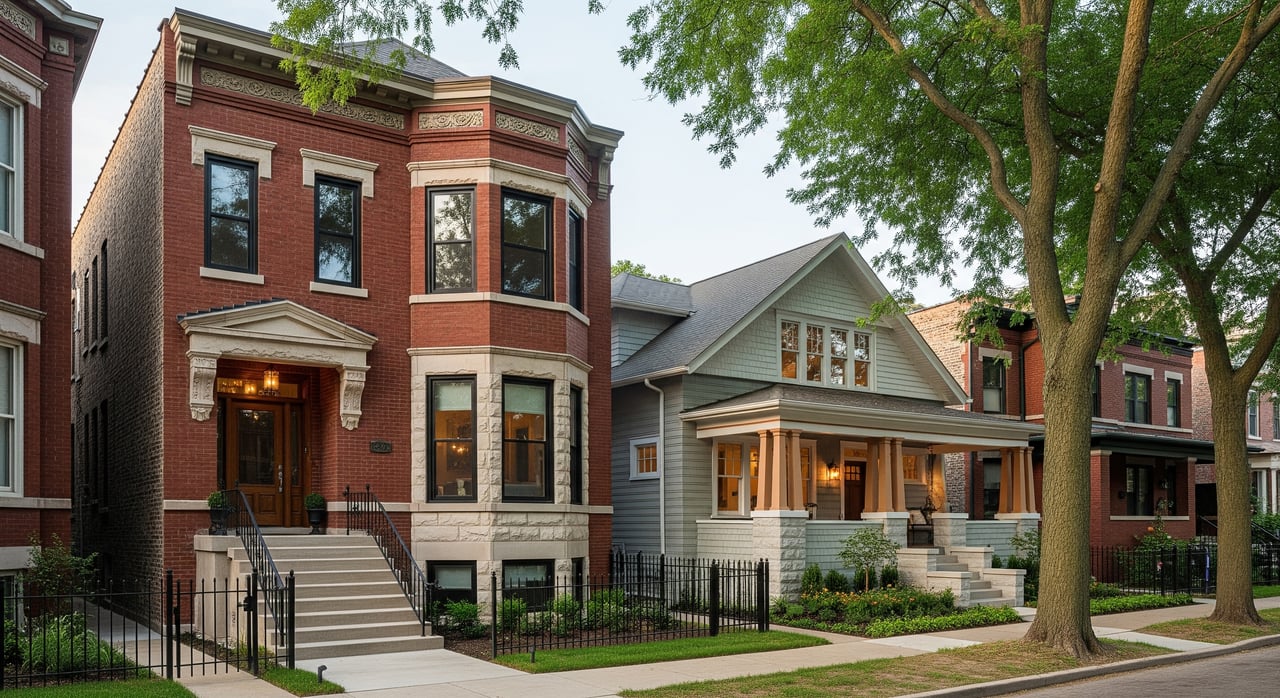
A two-flat is a residential building with two separate units. You can live in one unit and rent the other, or rent both. This setup appeals to live-in investors, multi-generational households seeking separation, and investors who want cash flow.
A single-family home is a standalone residence. Most buyers choose it for privacy, yard space, and simple ownership. When you sell later, your buyer pool is often wider because many buyers prefer owner-occupied homes.
“Logan Square” is most commonly associated with Chicago in Cook County. Your target here is Logan Square in Boone County. Before you rely on specific rules, confirm the exact municipality and county for the property you are evaluating. Zoning, taxes, and any local rental programs depend on the specific town or village.
Once you confirm the municipality, check with the Boone County Assessor for property records and tax history, and contact the local zoning and building department for permitted uses, occupancy limits, and rental rules. This step prevents surprises if a parcel is not zoned for two units or if a rental license or inspection is required.
Financing can look different for two-units compared to single-family homes. Here are the key points to discuss with a lender:
If you plan to live in one unit of a two-flat, ask your lender how projected rent from the other unit can be used in qualifying. Also ask about appraisal requirements for two-units, reserve rules, and how your debt-to-income ratio changes when rental income is considered.
If you are considering a two-flat, analyze it like a small business. These simple formulas help you compare properties without guessing:
Build a 5 to 10 year pro forma. Include realistic vacancy, maintenance reserves, property management, insurance, and property taxes. Ask sellers for the rent roll, leases, and actual expense history. For utilities, confirm if units are separately metered or if the landlord pays. Separating utilities can lower expenses, but the upgrades can be costly.
Rental income is taxable. Typical operating expenses, mortgage interest, property taxes, insurance, repairs, and depreciation may be deductible. Residential rental property is generally depreciated over 27.5 years. Review IRS guidance and talk with a CPA about your situation.
When you sell a primary residence, you may qualify for a capital gains exclusion if you meet the criteria. With an owner-occupied two-flat, the tax treatment can be more complex because part of the property is investment use. A CPA can help you plan for basis allocation, depreciation recapture, and potential exclusions.
Property assessments and taxes are set by the county. In some places, the income-producing nature of a property can affect how it is assessed. Verify assessed value, appeals, and tax history with the Boone County Assessor to avoid surprises.
Zoning determines if a two-unit building is allowed. Confirm permitted use for the parcel with the local zoning or planning office. Ask about parking minimums, occupancy standards, and whether there are any caps or overlays that restrict multi-unit properties.
If you plan to convert a single-family home to a two-unit, you will likely need permits, inspections, and upgrades to meet life-safety and building code standards. The reverse is also true when deconverting a two-flat to a single-family.
Some municipalities require rental registration or periodic inspections. These programs can add fees and administrative steps but help ensure safety and habitability. For older properties built before 1978, follow federal lead-based paint disclosure rules and safety practices when renovating.
Insurance coverage depends on use. Owner-occupied single-family homes typically use a homeowners policy. Two-flats with rental use generally require landlord or dwelling policies that include liability and may include loss-of-rent coverage. If you convert a previously owner-occupied home to a rental, update your policy type with your insurer.
Maintenance can be more intensive on a two-flat. You may manage two kitchens, two bathrooms per floor, and possibly duplicated systems. Shared systems can lower some costs, yet age and condition drive most of your capital expenditures. Ask about roof age, foundation, windows, and the condition of electrical, plumbing, and HVAC.
If you do not plan to self-manage, factor in property management fees. Professional managers can help with rent collection, leasing, inspections, and turnover, all of which protect your investment and your time.
Your decision should reflect local demand. In Boone County, rental demand will hinge on proximity to jobs, commuting patterns, services, and amenities. Areas with stable population, accessible employment, and convenient services tend to support two-flats because consistent demand reduces vacancy risk.
Single-family homes often attract a broader set of buyers. That can help resale liquidity and pricing during changing market conditions. Two-flats appeal to a more targeted group, which can lengthen time on market when investor demand cools.
Because rent-to-price ratios vary by neighborhood, ask a property manager for current rent ranges and average time to lease. Compare those rents to recent sale prices for two-flats to judge whether the numbers support your strategy.
Two-flat advantages
Two-flat considerations
Single-family advantages
Single-family considerations
Use this checklist before you move forward:
Buying the right property type starts with clear numbers and local rules. If you want a second set of eyes on your plan or need help pulling comps and analyzing financing paths, connect with a trusted advisor. Reach out to John Lyons to talk through your goals and next steps.
John's clear communication, strategic insight, and client-first mindset create a smoother, more confident experience—no matter your goals. Experience the difference that trusted guidance and proven results can make.